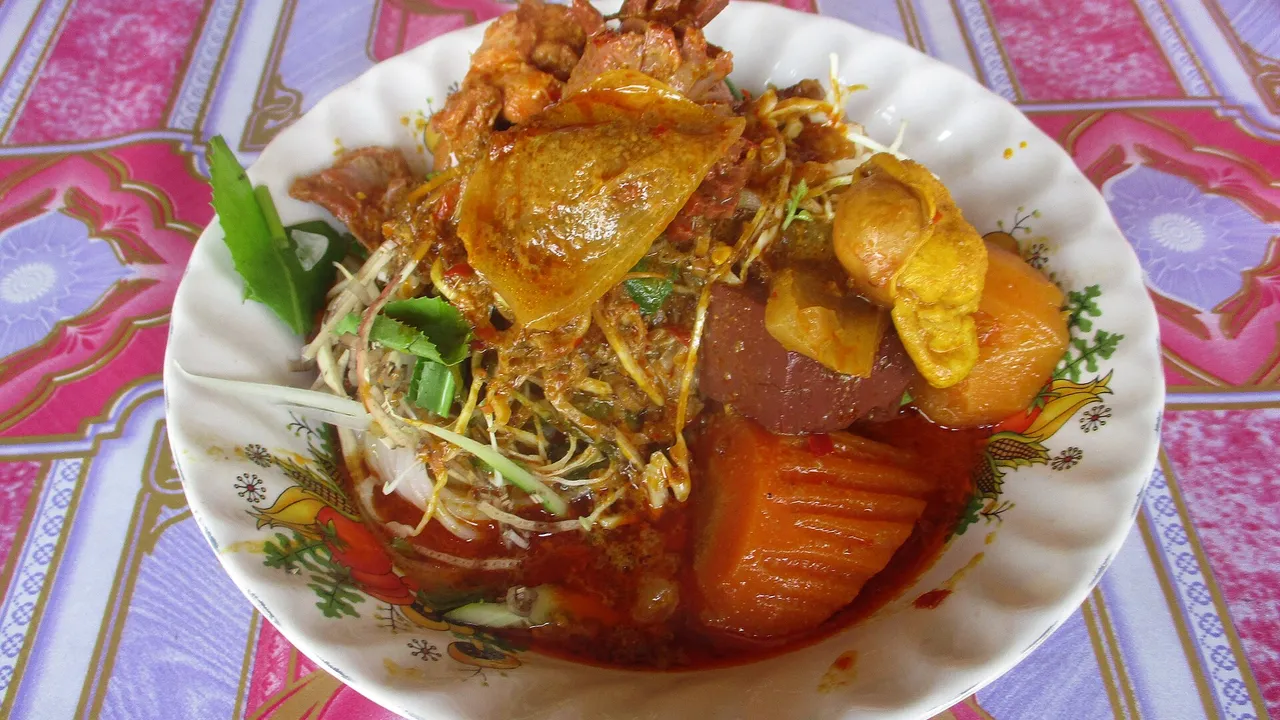
Cambodia is a meat-and-fish country at heart, and a traditional Khmer meal usually comes with pork, chicken or fish, plus fish sauce and shrimp paste in the seasoning. That said, vegetarians and vegans eat very well here, especially in the tourist cities, where dedicated vegetarian cafes, plant-based menus and cooking classes are easy to find.
This guide explains what to look out for, which dishes to order, a few Khmer phrases that help, and the best places to eat in Siem Reap and Phnom Penh. Menus change often, so confirm ingredients when you order.
Vegetarian Eating at a Glance
What to Expect
Siem Reap and Phnom Penh have vegetarian cafes, vegan bakeries and menus with clearly marked plant-based dishes, often with good English labels.
Local restaurants and street stalls can cook vegetable dishes, tofu and noodles, but broths and sauces may contain fish sauce, shrimp paste or pork stock.
In villages and on islands choices are narrower. Rice, fried vegetables, eggs, fruit and simple soups are usually available if you ask kindly.
Hidden Ingredients to Watch For
- Fish sauce (tuk trey) is used in many soups, dips and stir-fries
- Prahok, the fermented fish paste, flavours soups, dips and curries
- Shrimp paste appears in curry pastes and some salads
- Oyster sauce is common in stir-fried vegetables and noodles
- Pork or chicken stock is often the base of noodle soups and clear broths
- Dried shrimp or fish may be sprinkled on salads and rice dishes
Dishes to Order
Vegetable Stir-Fries and Tofu
Stir-fried morning glory with garlic, mixed vegetables, tofu with ginger and fried rice with vegetables are easy to find. Ask for no fish sauce and no oyster sauce, and say you would like soy sauce instead.
Vegetarian Amok and Curry
Many cooks can make amok or a Khmer curry with tofu and vegetables instead of fish, using coconut milk and fresh kroeung paste. Cooking classes often teach a vegetarian version, so ask when you book.
Fresh Salads and Spring Rolls
Fresh rice-paper rolls with herbs and peanut sauce, green mango salad and banana flower salad are refreshing. Check the dressing, because it may contain fish sauce.
Fruit, Sweets and Snacks
Cambodia has excellent fruit, including mango, dragon fruit, rambutan and mangosteen in season. Sticky rice with coconut, grilled banana and coconut ice cream are also vegetarian. Fresh juices and shakes are everywhere.
Useful Khmer Phrases
- Knyom nyam chay means I eat vegetarian food
- Ot yok sach means no meat
- Ot yok trey means no fish
- Ot yok tuk trey means no fish sauce
- Ot yok prahok means no prahok
- Orkun means thank you
- Learn to cook plant-based Khmer dishes during your stay in Siem Reap.
- Plan a relaxed morning with the Angkor sunrise by tuk-tuk and a vegetarian breakfast afterwards.
- Ask us about Cambodia tours built around your dietary needs.
The Best Places to Eat Vegetarian
Siem Reap offers the widest choice, from vegetarian cafes and vegan bakeries to restaurants serving Khmer food with plant-based options. The area around Pub Street, the Old Market and the quieter streets nearby are full of menus with clearly marked vegetarian dishes. In Phnom Penh look near the Riverside, the BKK1 neighbourhood and around the Russian Market, where cafes serve vegan bowls and local vegetable dishes. Kampot and Kep have a few relaxed cafes with vegetarian choices, and Battambang is slowly growing.
Buddhist temples sometimes serve simple vegetarian meals during festivals, and some communities eat vegetarian on certain holy days. If you join a temple event, follow local etiquette and dress modestly.
Practical Tips
- Say you are vegetarian before you sit down and repeat it when the dish arrives
- Show the phrase in Khmer on your phone or on a printed card
- Choose dedicated vegetarian restaurants when you are unsure, and book ahead for groups
- Carry snacks such as nuts and fruit for long road trips and remote areas
- Ask your hotel to arrange breakfast in advance if your needs are strict
- Stay flexible, because even careful kitchens can use shared woks or oils
Markets, Groceries and Snacks
Markets are a vegetarian traveller’s friend. Fresh fruit, roasted peanuts, sticky rice in bamboo, steamed corn, coconut pancakes and tofu snacks are sold at most local markets, and the produce stalls are full of greens, herbs, mushrooms and tropical fruit. If your hotel has a kitchen or a fridge, a quick shop at the market and a supermarket for bread, nuts and plant milk makes breakfasts and long travel days much easier.
Bakeries in Siem Reap and Phnom Penh sell bread, pastries and some vegan cakes. Plant milk is available in many cafes in the main cities, though it can be hard to find in smaller towns, so bring a few sachets of your favourite if you rely on it.
Prices
Vegetarian dishes at local restaurants usually cost 2 to 5 USD, while meals in tourist cafes cost roughly 4 to 8 USD. Smoothie bowls and specialty plates may cost more, but are still affordable. Dollars are widely used for restaurant bills, and small notes make payment easier.
Frequently Asked Questions
Is it easy to be vegetarian in Cambodia?
In Siem Reap and Phnom Penh, yes. In small towns and villages it takes more planning, but rice, vegetables, eggs and fruit are usually available.
How do I avoid fish sauce?
Say ot yok tuk trey, which means no fish sauce, and ask for soy sauce instead. Stir-fries are the easiest dishes to adapt.
Are there vegan options?
Yes, mostly in tourist cities. Vegan cafes and menus with plant-based labels are common in Siem Reap and Phnom Penh.
Can vegetarians join cooking classes?
Yes. Most classes offer a vegetarian menu if you ask when you book.
Is street food safe for vegetarians?
Fruit, sticky rice, grilled bananas and fried vegetables are good options. Always ask whether sauces and broths contain fish or meat.
Get Your Free Custom Cambodia Tour Quote Today!
Tell us about your diet and your interests, and we will design a private route with local drivers and guides that works for you.
Browse Multi-Day Tours Explore Short Excursions