Cambodia’s culture is rooted in more than a thousand years of Khmer history, from the builders of Angkor to the villages and cities of today. About 90 percent of Cambodians are Khmer, and most follow Theravada Buddhism, which shapes daily life, festivals, family values and the way people treat visitors. Understanding a few basics will make your trip richer and help you connect with the people you meet.
This guide introduces the beliefs, customs, arts and everyday manners that define Khmer culture, with practical tips for travellers in Siem Reap, Phnom Penh and the countryside. Cambodian society is diverse and changing quickly, so treat these notes as an introduction rather than a rulebook.
Khmer Culture at a Glance
Three Foundations of Daily Life
Pagodas, monks and merit-making are central to community life. Many families visit the pagoda on holy days, and young men may spend time as monks.
Family comes first, and respect for elders, teachers and monks shapes how people speak and behave. Politeness and calm are highly valued.
Classical dance, shadow theatre, music, weaving and stone carving carry traditions from the Angkor era and were revived after the 1970s.
Beliefs and Everyday Life
Buddhism and Spirit Beliefs
Buddhism sits alongside older beliefs in spirits and ancestors. You will see small spirit houses outside homes and shops, where offerings of fruit, flowers and incense are made. Pagodas, called wat, are community centres as well as places of worship, and many host festivals, schools and meals.
Family and Community
Extended families often live close together, and children care for ageing parents. Community events such as weddings, funerals and festivals are large and social. Guests are welcomed warmly, and sharing food is a sign of friendship.
Face and Politeness
Cambodians value harmony and avoid open conflict. Raising your voice, showing anger or criticising someone in public can cause embarrassment, so stay calm and smile when something goes wrong. A friendly, patient attitude usually solves problems faster than complaints.
Greetings and Manners
- Greet with the sompeah, pressing your palms together near your chest and bowing slightly, with higher hands for more respect
- Use “chum reap suor” as a formal hello and “susadei” as a casual one
- Do not touch anyone’s head, which is considered the most sacred part of the body
- Do not point your feet at people or Buddha images, and avoid stepping over a seated person
- Pass and receive items with your right hand, or both hands, for respect
- Take off your shoes before entering homes and many shops, and always before entering a temple building
- Women should not touch monks or hand things to them directly, so place items on a cloth or table
Arts, Music and Crafts
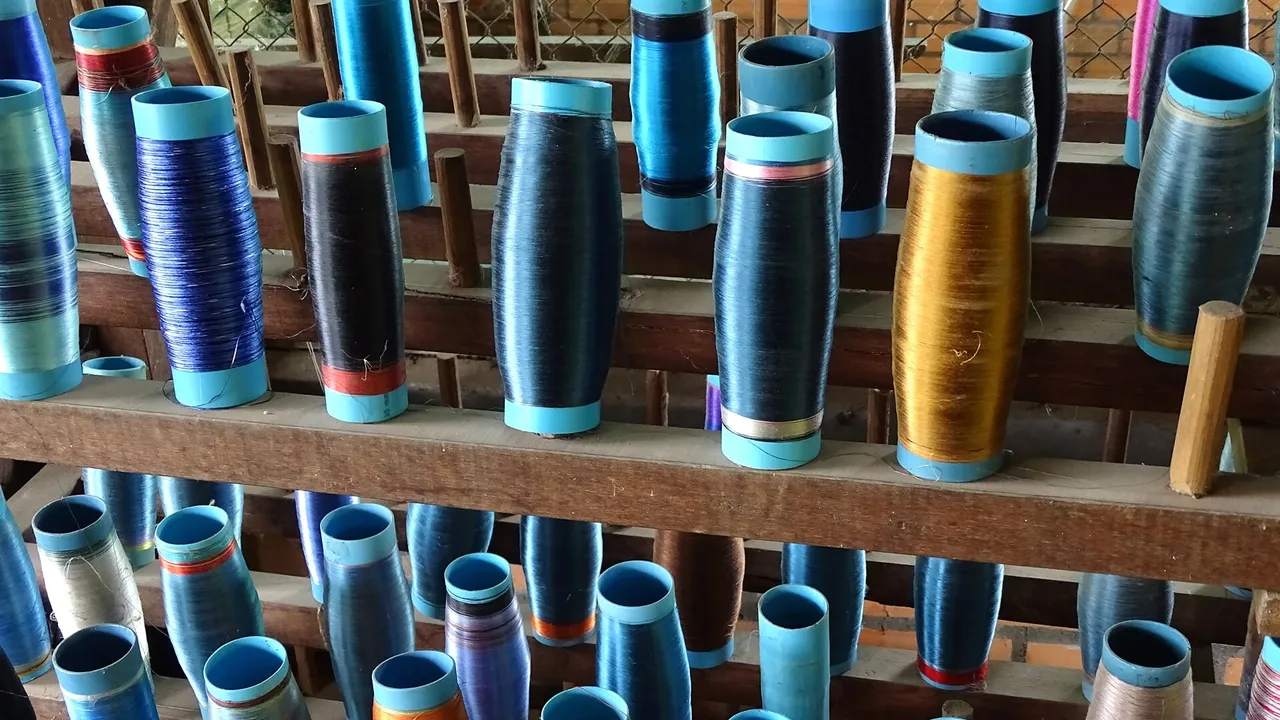
Apsara dance, with its slow, graceful hand movements, comes from the court of the Khmer kings and is shown in carvings at Angkor. Shadow theatre, called sbek thom, uses large leather puppets, and traditional orchestras play instruments such as the roneat xylophone and the tro fiddle. Many artisans, including silk weavers, silver workers and stone carvers, have been supported by social enterprises since the 1990s, so buying their work helps keep skills alive.
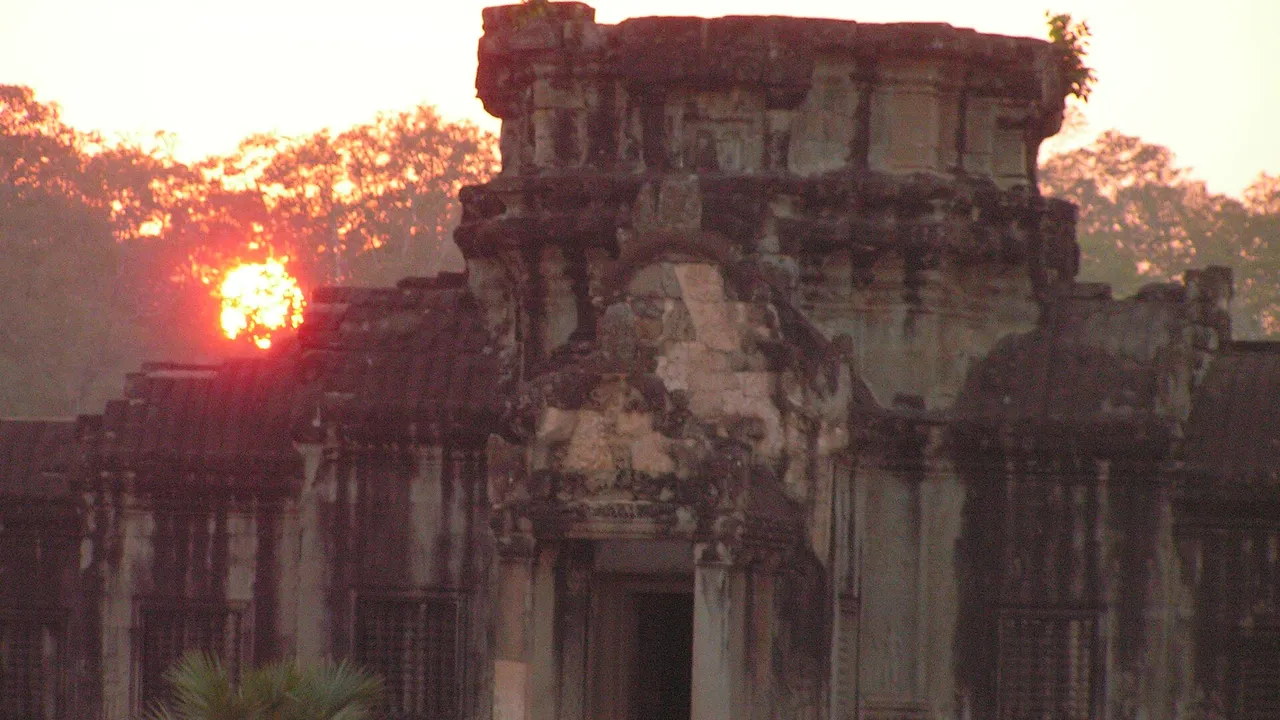
- Explore the temples with a local driver on the Angkor sunrise by tuk-tuk.
- Visit living communities on the Kampong Phluk and Tonle Sap trip.
- Combine temples, the capital and village life on the Classic Cambodia tour.
Festivals and Holidays
- Khmer New Year in mid-April, with water games, family visits and temple offerings
- Visak Bochea in spring, celebrating the birth, enlightenment and death of the Buddha
- Royal Ploughing Ceremony in May, which predicts the coming harvest
- Pchum Ben in September or October, when families honour ancestors at pagodas
- Bon Om Touk, the Water Festival, in November, with boat races in Phnom Penh
- Independence Day on 9 November, with parades and celebrations
Cultural Etiquette for Visitors
- Dress modestly at temples, with shoulders and knees covered
- Ask permission before photographing people, especially monks and children
- Remove hats and shoes when entering pagodas
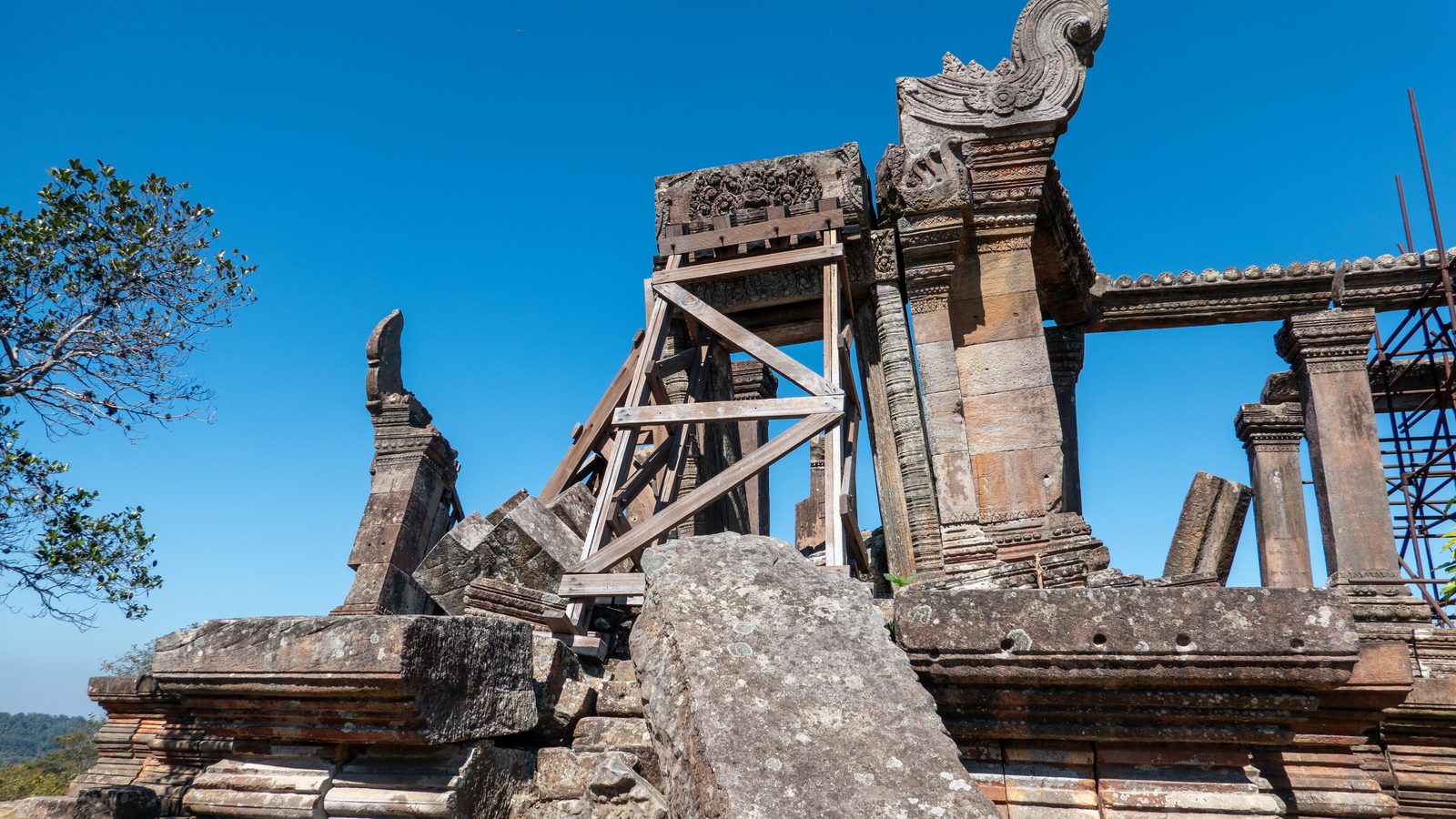
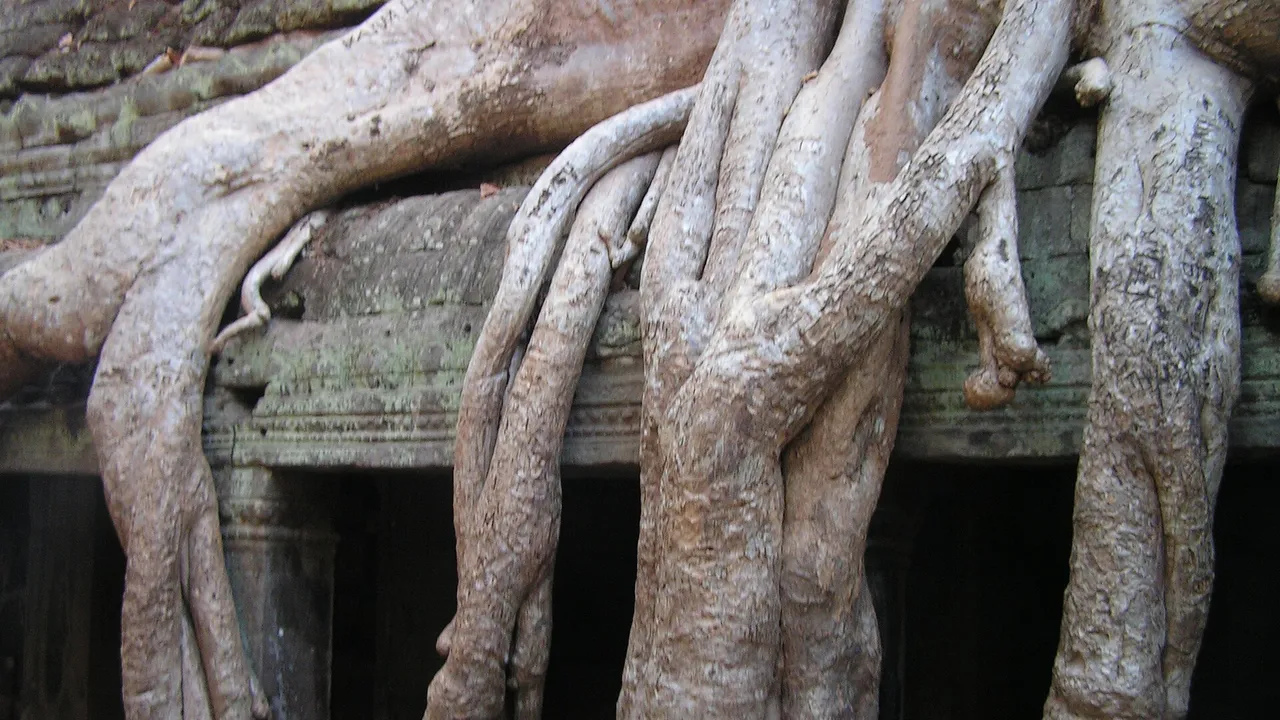
- Do not touch or climb on ancient temple stones, and follow marked paths
- Keep your voice low in sacred places
- Learn a few Khmer words, which are always appreciated
- Bargain politely in markets, and accept a fair price with a smile
Food and Hospitality
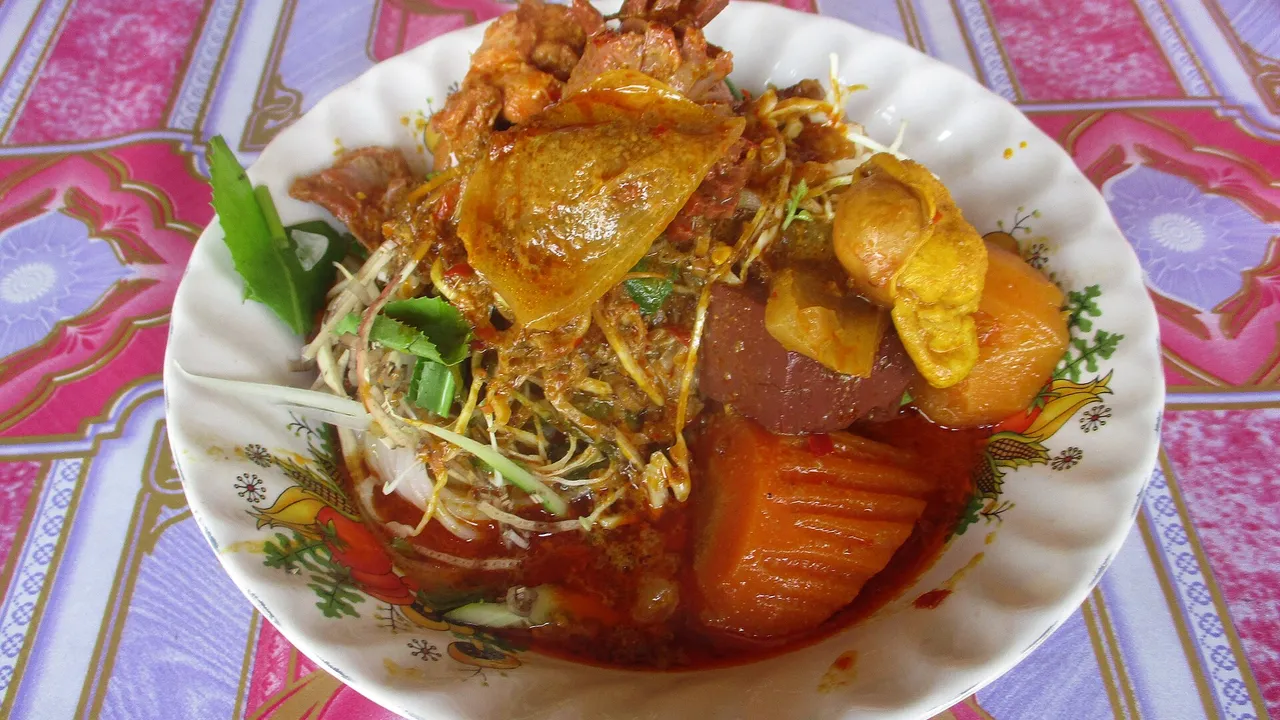
Meals are shared, with rice at the centre and several dishes around it. A typical meal includes a soup, a grilled or stir-fried dish and fresh herbs. Eating together is a social act, and offering a guest food is a sign of respect. If you are invited into a home, bring a small gift such as fruit and accept what you are offered with thanks.
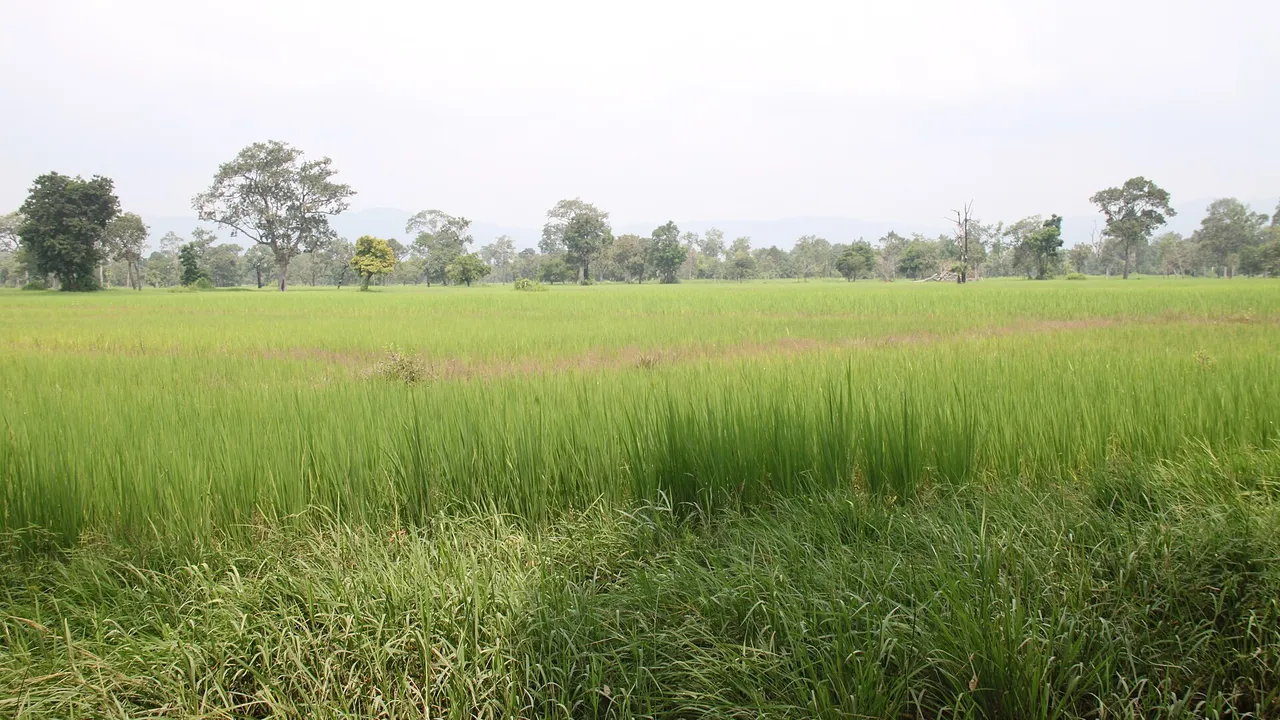
Cambodia also has a strong tradition of hospitality in rural areas, where homestays and village visits give you a closer look at daily routines. When you take part in a community tour, ask your guide about the appropriate way to behave and spend money, so that the benefit goes to local families.
Learning a Few Khmer Words
A few words go a long way. Say “susadei” for hello, “arkun” for thank you, “som toh” for excuse me and “nis tlai pon-man” to ask the price. For yes, men say “baat” and women say “jaa”, and “te” means no. Do not worry about pronunciation: the effort is what counts, and people will correct you kindly.
In pagodas and villages, a smile and a sompeah matter as much as words. Taking a moment to greet people before asking a question, or thanking your driver and guide, is a simple way to show respect and to receive an even warmer welcome.
Remembering a Hard History
Cambodia’s modern history includes the Khmer Rouge period from 1975 to 1979, which affected nearly every family. Today Cambodians are rebuilding with resilience, and many are happy to talk about their country’s future. Visit memorials with respect, avoid casual photography at sensitive sites and let people choose whether to share their own stories.
Frequently Asked Questions
What religion do most Cambodians follow?
About 95 percent of the population follows Theravada Buddhism, which shapes festivals, daily customs and family life.
How do you greet someone in Cambodia?
Use the sompeah, pressing your palms together and bowing slightly. Say “chum reap suor” in formal situations and “susadei” in casual ones.
What should I not do in Cambodia?
Avoid touching heads, pointing your feet at people or Buddha images, raising your voice and wearing revealing clothes at temples.
Can women talk to monks?
Yes, but women should not touch monks or hand things directly to them. Place items down or give them through a man.
Is it polite to bargain?
Yes, in markets and with tuk-tuk drivers, as long as you do it with a smile. Fixed-price shops and restaurants do not bargain.
Get Your Free Custom Cambodia Tour Quote Today!
Tell us what you want to see and learn, and we will design a private route with local drivers and guides who share their culture.
Browse Multi-Day Tours Explore Short Excursions