Most travellers to Cambodia stay healthy, and the most common problems are small ones: an upset stomach, sunburn, heat tiredness or a few mosquito bites. A little preparation makes these less likely, and it also helps you deal with the rare serious problem, such as dengue, quickly.
This guide summarises advice from the UK Foreign, Commonwealth and Development Office (FCDO), the UK’s TravelHealthPro service and the US CDC Yellow Book, which we checked in November 2026. It is general information, not medical advice. Vaccine needs depend on your age, health history and itinerary, so please see a doctor or travel clinic well before you leave. For wider safety points, read our Cambodia safety guide.
The Short Version
Cambodia Health at a Glance
The FCDO suggests checking vaccine advice at least 8 weeks before your trip, and having travel insurance that covers local treatment and medical evacuation.
Dengue is the main mosquito-borne risk, so protect yourself in the daytime. Drink sealed or filtered water, and drink more than you think you need.
The FCDO gives 119 as the number to ask for an ambulance. Contact your insurer quickly if you are sent to a medical facility.
Vaccines to Discuss With a Doctor
TravelHealthPro says that travellers should be up to date with routine vaccines, and that hepatitis A vaccination is recommended for all previously unvaccinated travellers. It recommends typhoid vaccination for most travellers, particularly those on longer or frequent trips, and where food hygiene may be poor. Japanese encephalitis vaccination can be considered for stays of a month or more in rural areas, especially during the May to October peak, or for people with a higher-risk itinerary. Rabies is also considered a risk, and a doctor can advise whether a pre-trip course makes sense for you. There are no certificate requirements under the International Health Regulations listed for Cambodia in the information we reviewed, but confirm this with your clinic.
- Check routine vaccines such as tetanus, diphtheria, polio and MMR
- Ask about hepatitis A and typhoid, which are suggested for most travellers
- Ask whether Japanese encephalitis or rabies vaccines make sense for rural or long stays
- Bring a record of your vaccines and any prescriptions
- Book the appointment at least 8 weeks before travel, as the FCDO suggests
Dengue vaccination is a more specific question. TravelHealthPro says it can be considered for people aged four and over who have had dengue before and are travelling to areas with a risk, while the CDC notes that other dengue vaccines are available in limited supply in Cambodia but that data on efficacy and safety are incomplete. Treat this as a conversation to have with a travel health clinician, not a decision to make on your own.
Dengue and Mosquito Bites
Dengue is present in Cambodia and is the mosquito-borne illness most likely to affect travellers. The CDC says it occurs year-round, with peak transmission in the rainy season, and advises travellers with a high fever, in Cambodia or within a few weeks of leaving, to seek medical care and lab testing. TravelHealthPro advises avoiding mosquito bites, particularly during the day, which is when the mosquitoes that carry dengue bite.
- Use an insect repellent that suits your skin and follow its instructions
- Wear light, loose long sleeves and trousers in the early morning and late afternoon
- Choose rooms with screens, air conditioning or a mosquito net
- Empty or avoid standing water around your accommodation
- See a doctor promptly for a high fever, and avoid taking aspirin or ibuprofen unless a doctor says it is safe
Malaria Risk
The CDC says there is little to no malaria transmission around the main Angkor temples, Phnom Penh, Siem Reap city and Tonle Sap Lake, and that the risk on a typical visit to the main temples with nights in an air-conditioned hotel is minimal. The highest risk is in forested areas, and travellers planning to sleep in deeply forested places should ask about antimalarial tablets. In every case, bite avoidance is the first line of defence.
Safe Water, Food and Stomach Problems
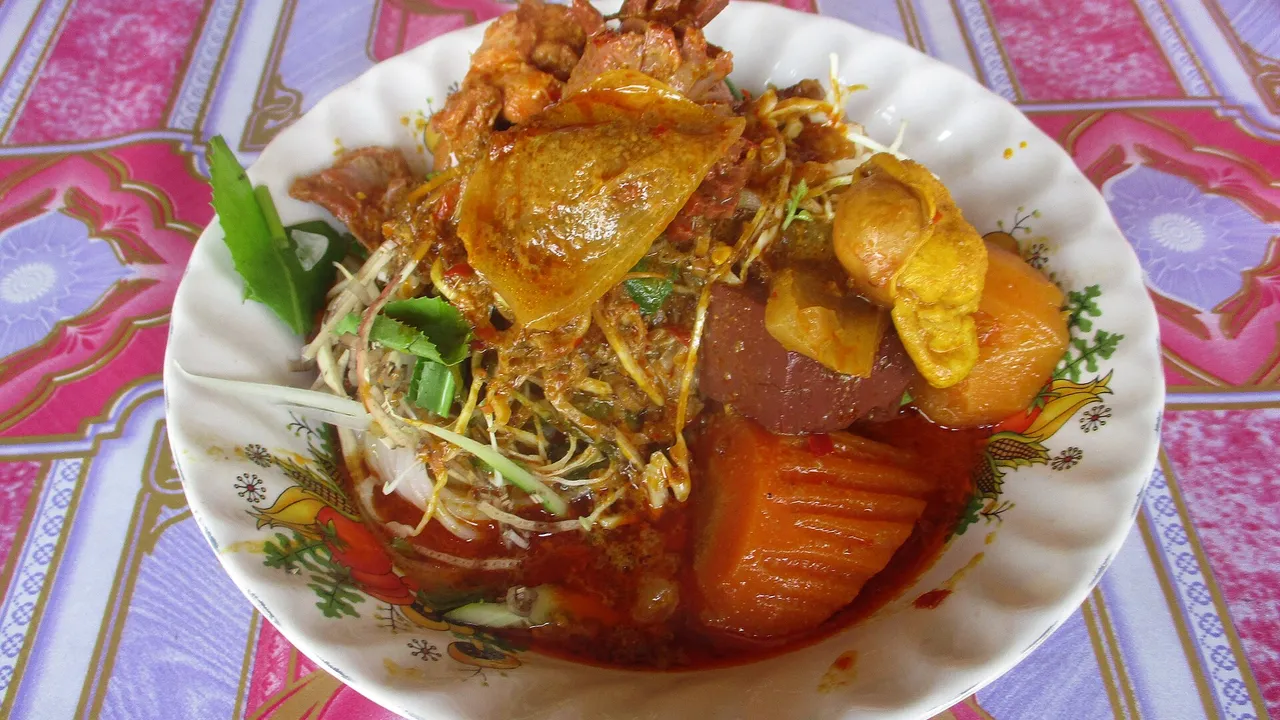
Travellers’ diarrhoea is the most common complaint. The simplest rule is to drink bottled or filtered water, with a sealed cap, and to avoid ice in places you do not trust. Street food is one of the pleasures of Cambodia, and our street food guide explains how to choose busy stalls where food is cooked fresh and served hot.
- Drink sealed bottled or filtered water, and use it for brushing teeth if your stomach is sensitive
- Choose food that is freshly cooked and served hot
- Wash hands with soap or use hand gel before eating
- Be careful with raw salads and peeled fruit you did not peel yourself, if your stomach is delicate
- Carry oral rehydration salts, which are cheap and available in pharmacies
- Seek help if you have a high fever, blood in the stool or cannot keep fluids down
Heat, Sun and Rainy Season Health
Cambodia is hot and humid for most of the year, and temple days can be tiring, especially before midday. Start early, wear a hat and light clothing, apply sunscreen, and rest in the shade. Our best time to visit guide explains the seasons, and our temple etiquette guide explains how to dress respectfully while staying cool. In the rainy season, which the FCDO places from June to October, flash floods and slippery paths add risks, and the FCDO advises taking extra care around water.
- Drink regularly and add rehydration salts on very hot days
- Plan outdoor sightseeing for early morning and late afternoon
- Wear sturdy shoes with good grip for steps and wet stone
- Rest if you feel dizzy, headachy or nauseous, as these can be early signs of heat illness
- Plan cooler, shorter days with a driver on a Cambodia tour, with air-conditioned transport between sights.
- Move around the capital in comfort with a private driver in Phnom Penh.
- Visit the temples at sunrise and avoid the midday heat with a private driver in Siem Reap.
Healthcare and Insurance
The FCDO advises checking that your destination can provide the healthcare you may need and that you have travel insurance for local treatment and unexpected medical evacuation. This is particularly important if you have a health condition or are pregnant. Large towns have private clinics and hospitals, and the FCDO publishes a list of medical providers in Cambodia where some staff speak English. Facilities in remote areas and on islands can be limited. Payment is usually expected at the time of treatment, so keep every receipt and contact your insurer quickly.
- Buy insurance that covers medical evacuation, and read the exclusions for scooters and adventure sports
- Save your insurer’s emergency number in your phone
- Keep receipts and medical reports for your claim
- Tell your clinic if you have allergies or take regular medication
Medicines and Pharmacies
The FCDO notes that the legal status and regulation of some medicines can differ from country to country, and points travellers to TravelHealthPro’s best-practice advice on travelling with medicines. Bring enough of your regular medication for the whole trip, in the original packaging, with a copy of the prescription or a doctor’s letter. Pharmacies in Phnom Penh and Siem Reap sell many common medicines, but check labels and expiry dates, and be cautious about buying strong drugs without a prescription.
Other Risks Worth Knowing
The FCDO also lists Zika virus, schistosomiasis and biting insects and ticks among the health risks, and warns that safety advice at tourist sites can be minimal. Do not swim in slow or stagnant fresh water in rural areas, and be careful with river currents, as explained in our safety guide. Do not touch stray animals, and wash any bite or scratch at once and seek medical advice, because rabies is considered a risk.
Packing a Small Health Kit
- Insect repellent, sunscreen, a hat and sunglasses
- Oral rehydration salts and basic stomach medicine recommended by your doctor
- Plasters, antiseptic wipes and a few blister dressings
- Hand gel and a small water filter or sterilising tablets if you plan remote trips
- Your regular medicines, plus a copy of the prescription
- A thermometer and basic pain relief, used as your doctor advises
Our travel costs guide helps you budget for insurance, clinic visits and private transport.
Frequently Asked Questions
Do I need vaccinations for Cambodia?
There are no certificate requirements listed under the International Health Regulations in the information we reviewed, but health agencies suggest discussing hepatitis A, typhoid and routine vaccines, and others depending on your trip. See a clinic at least 8 weeks before travel.
Is malaria a problem in Cambodia?
The CDC says there is little to no transmission around the main Angkor temples and the main cities, and the highest risk is in forested areas. Ask a doctor about tablets if you will sleep in forest areas.
Is dengue common in Cambodia?
Dengue is present all year, with peaks in the rainy season. Use repellent in the daytime, and see a doctor for a high fever.
Is it safe to drink tap water?
Drink sealed bottled or filtered water instead, and be careful with ice in places you do not trust.
What is the emergency number in Cambodia?
The FCDO says to dial 119 and ask for an ambulance. Contact your insurance company quickly if you are referred to a medical facility.
Do I need travel insurance for Cambodia?
Yes. The FCDO advises insurance that covers local treatment and unexpected medical evacuation, especially if you have a health condition or are pregnant.
Get Your Free Custom Cambodia Quote Today!
Tell us your dates and interests, and we will plan a private route with a trusted local driver, with comfortable transport and cooler days, so you can enjoy Cambodia in good health.
See multi-day tours Explore short excursions