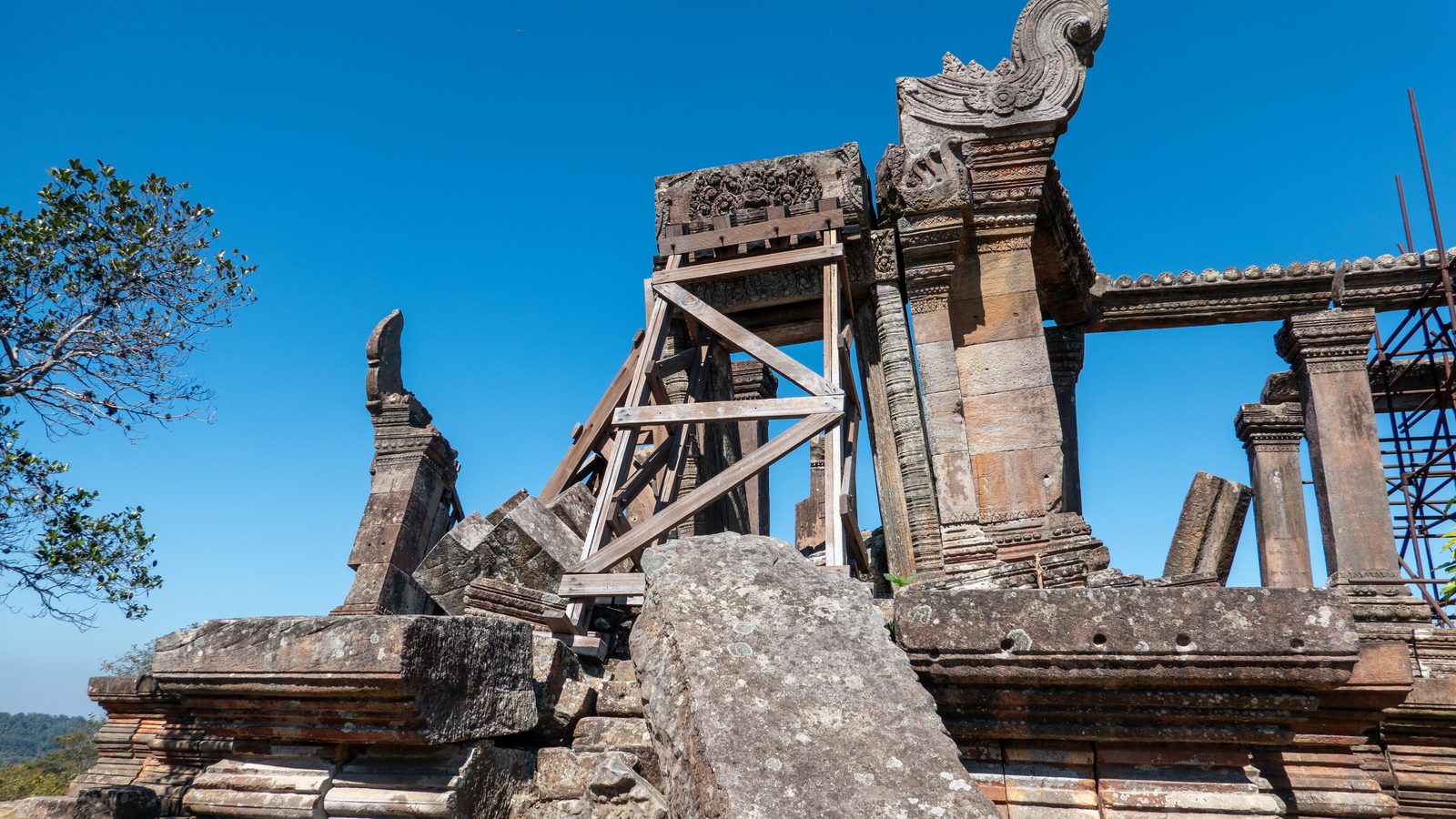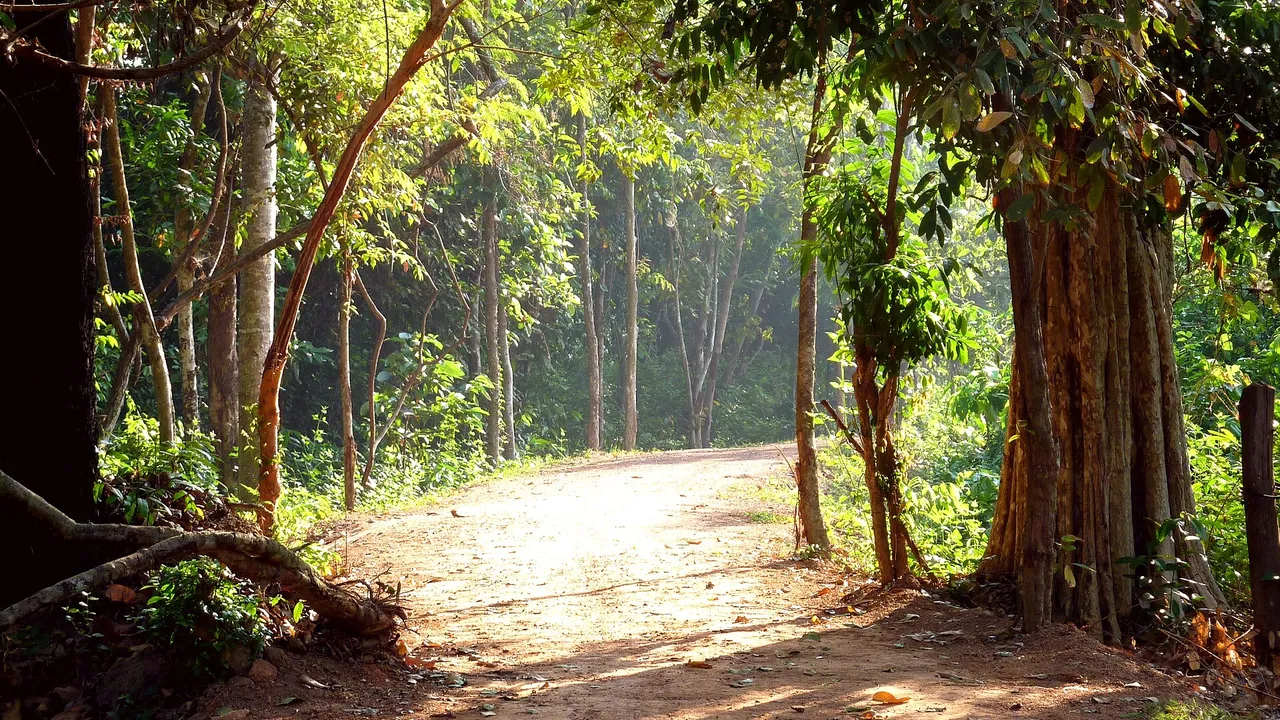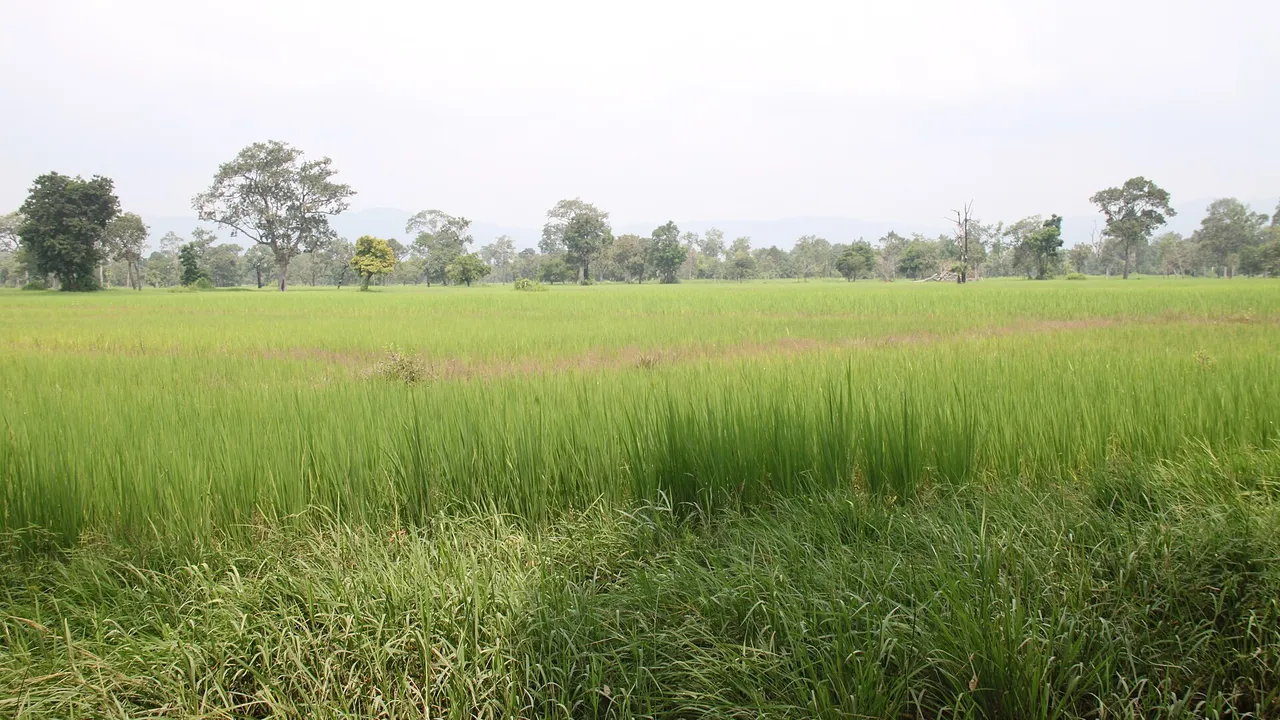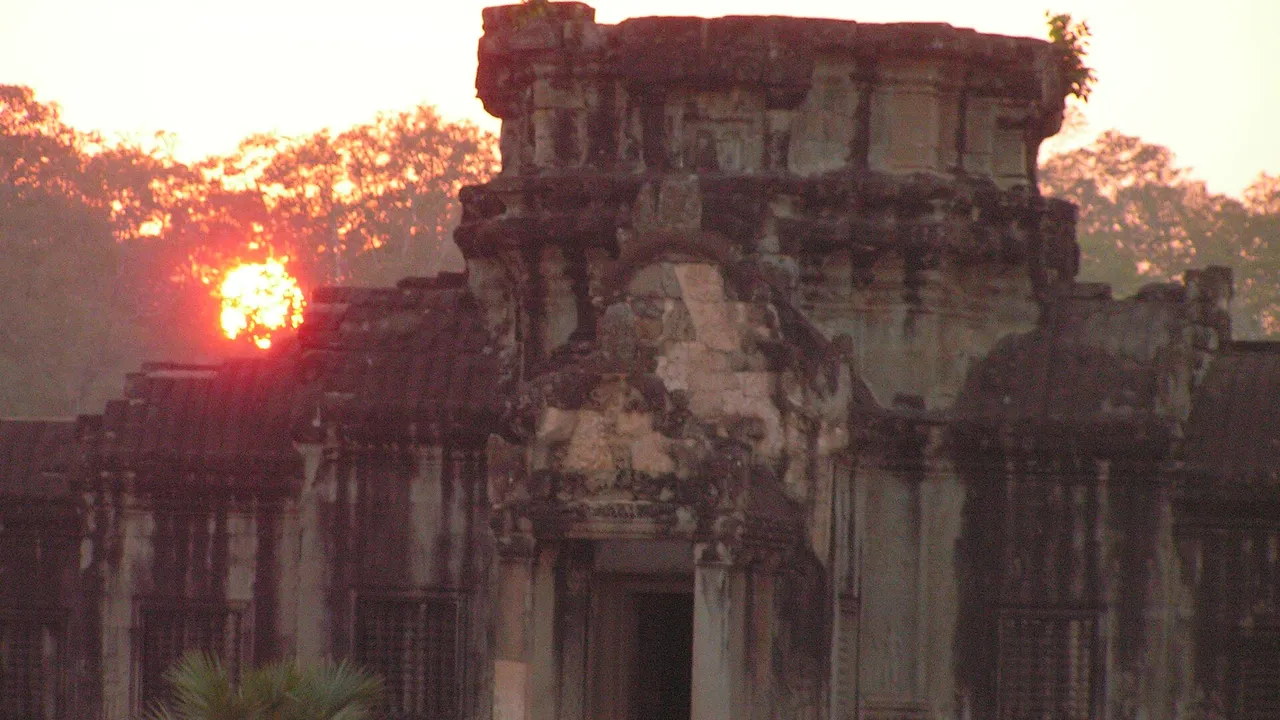
North-east of Siem Reap, the forested plateau of Phnom Kulen rises above the plains. For Cambodians it is a sacred mountain, the place where the Khmer Empire is said to have begun, and today it is also a popular day out, with cool air, waterfalls, a pilgrimage pagoda and a river whose bed is carved with lingas. It makes a pleasant change from the temples of Angkor, especially in the hot months.
This guide covers what to see, how much the ticket costs, how to get there and how to combine it with other sites. If you are still working out your Angkor plan, our guides to the Angkor pass and tickets and the best time to visit Cambodia are useful companions.
Phnom Kulen at a Glance
Phnom Kulen is roughly 50 km north-east of Siem Reap. Allow about an hour and a half each way, including the mountain road.
Most visitors spend three to five hours on the plateau, plus the drive, so plan on most of a day.
Reported as 20 dollars per foreign visitor, paid in cash at the mountain checkpoint. The Angkor pass is not accepted.
What Is Phnom Kulen?
Phnom Kulen, or Kulen Mountain, is a sandstone plateau that rises to a few hundred metres above the plain. The Khmer name is often translated as the Mountain of the Lychee. Many of the rivers that feed the Angkor area start here, and the sandstone used to build many of the temples was quarried on the mountain. For these reasons, the plateau has deep religious and historical meaning.
Tradition holds that King Jayavarman II proclaimed the Khmer Empire on this mountain in the early ninth century, before the capital moved to the plain. Archaeological surveys using laser scanning have since revealed the remains of an early city hidden under the forest. Today it is a national park and an active place of pilgrimage.
What to See
Preah Ang Thom and the Reclining Buddha
The most important religious site is Preah Ang Thom, a working pagoda near the highest point of the plateau. It is built around a large sandstone boulder with a reclining Buddha carved into it, about 8 metres long and dating from the sixteenth century. A staircase leads to the shrine, where pilgrims leave offerings. Remove your shoes, cover your shoulders and knees and be respectful, especially at weekends when it is crowded with worshippers.
The River of a Thousand Lingas
Upstream of the main waterfall, the riverbed is carved with rows of lingas, the stone symbols of Shiva, and other Hindu images. The water that flows over them was believed to be blessed on its way to the plain. The carvings are best seen when the water is clear, and you can look from the banks or the bridge.
The Waterfalls
The waterfalls are the reason many Cambodian families come. The upper fall is wide and low, while the lower fall is about 15 to 20 metres high and drops into a pool where people swim. The water is fullest in the rainy season and much smaller at the end of the dry months. Open huts along the river serve simple food, and many visitors sit with their feet in the water to cool down. Swimming is usually done in shorts and a T-shirt rather than swimwear.
Other Sites on the Plateau
Several smaller sites lie along the roads, including ruined temples and shrines that show the older history of the mountain. Your driver can tell you which ones are open and worth a short stop.
- Choose a full-day guided Angkor tour and ask whether Phnom Kulen can be added.
- Add context with an English-speaking guide.
- Book a private airport transfer for an easy arrival in Siem Reap.
Phnom Kulen and Kbal Spean Are Different
Both sites are called the River of a Thousand Lingas, which causes confusion. The carved riverbed on Phnom Kulen is on the plateau, beside the waterfalls. Kbal Spean is a separate site on the northern side of the hills, reached by a forest walk from the road near Banteay Srei. It has its own one-day ticket, listed at 5 dollars on the official Angkor Enterprise site. Agree with your driver which one you mean before you leave.
How to Get to Phnom Kulen
Phnom Kulen is about 50 km from Siem Reap, and the trip takes roughly an hour and a half each way. Most visitors go by private car, minivan or a motorbike taxi, and the climb up the mountain is steep and winding in places. A tuk-tuk is not the best choice because of the distance and the slope. The road conditions and traffic arrangements on the plateau can change, so ask your driver or hotel about the schedule for going up and coming down.
Start early, ideally before 8:00 in the morning, so that you reach the plateau while the air is cool and leave before the heaviest afternoon crowds. Weekends are busy with Cambodian visitors, so a weekday visit is calmer.
Tickets and Opening Hours
Phnom Kulen is a national park and is not sold by Angkor Enterprise, so the Angkor pass is not accepted there. Visitor guides in 2026 report an entrance fee of 20 dollars per foreign visitor per day, paid in cash at the checkpoint at the foot of the mountain, with Cambodian citizens entering free. The fee was announced by the local district administration in 2023, and no current official tariff page could be found, so treat 20 dollars as the last reported figure and check on arrival. Ask for a ticket or receipt.
For comparison, the regular Angkor passes on the official site are 37 dollars for one day, 62 dollars for three days and 72 dollars for seven days. Official opening hours for Phnom Kulen are not published, so plan a daytime visit and confirm times with your driver.
Best Time to Go
The waterfalls are at their best in the rainy season and just after, roughly from July to December, when the water is full and the pool is deep. In the dry season, from February to May, the falls can be thin, but the cooler mountain air is still welcome. Heavy rain can make the road slippery, so take care. Our guide to the best time to visit Cambodia explains the seasons in more detail.
How Long to Stay
Allow three to five hours on the plateau. A typical visit starts at Preah Ang Thom, continues to the river and the carvings and ends with lunch and a rest by the waterfall, then a drive back before late afternoon.
Combining Phnom Kulen With Other Sites
- Kbal Spean: a forest walk to carved riverbed images, with its own ticket
- Banteay Srei: a short drive from Kbal Spean, with fine pink sandstone carvings
- A relaxed afternoon in Siem Reap after the climb
- Local villages and markets on the way for a lunch stop
What to Wear and Bring
- Shoulders and knees covered for the pagoda
- Sturdy shoes or sandals with good grip for wet stone
- Swimwear under a T-shirt and shorts, plus a towel, if you plan to swim
- Cash in small dollar notes for the ticket, food and drinks
- Insect repellent and sun cream
Tips for a Better Visit
Go early, bring cash and ask for a receipt for the park ticket. Stay on marked paths, be careful on wet rock and do not swim where the current is strong or the water is high. Respect the pagoda, ask before photographing monks or worshippers and remove your shoes where signs ask. To understand the culture behind the mountain, read our guide to Khmer culture, or compare it with a calmer temple day at Ta Prohm. You can also explore our Angkor excursions or Cambodia tours for more ideas.
Frequently Asked Questions
Is Phnom Kulen worth visiting?
Yes, especially in the hot months or if you want a break from temples. The waterfalls, the reclining Buddha and the cooler air make it a pleasant day.
Is Phnom Kulen included in the Angkor pass?
No. It is a national park with its own fee, reported at 20 dollars per foreign visitor, paid in cash at the checkpoint.
How far is Phnom Kulen from Siem Reap?
About 50 km, which takes roughly an hour and a half each way.
Can I swim at the waterfall?
Yes, in the pool below the lower fall, usually in shorts and a T-shirt. Take care when the water is high or fast.
Is Phnom Kulen the same as Kbal Spean?
No. Both have carved riverbeds, but they are different places with different roads and tickets.
Get your free tailor-made Cambodia quote now!
Airport transfers, private drivers and local guides across Cambodia, organised by our local team from your first night.
See multi-day tours Explore short excursions