If you only have one day at Angkor, the small circuit is the route most visitors choose. It links the best-known monuments in one loop from Siem Reap, from the giant stone faces of the Bayon to the tree-wrapped walls of Ta Prohm and, finally, Angkor Wat itself. It is long but rewarding, and with a sensible plan it is also comfortable.
In this guide we explain which temples it includes, the order that works best, how long to allow, what the ticket covers and how to avoid the worst of the heat and the crowds. If you are still choosing between routes, read our Angkor Wat guide and our guide to the Angkor pass first.
The Small Circuit at a Glance
Allow a full day of about 7 to 9 hours with breaks, starting early and resting at midday. A relaxed pace is better than a rushed one.
Bayon, Ta Prohm, Angkor Wat and Phnom Bakheng are the stars, with several smaller temples on the way.
The official Angkor Enterprise FAQ says a one-day pass covers the small circuit. It was 37 dollars when we checked in November 2026.
What Is the Small Circuit?
The small circuit, or petit circuit, is a loop through the central part of the Angkor Archaeological Park. According to the official Angkor Enterprise FAQ, a one-day visit can include Angkor Wat, Phnom Bakheng, the Bayon, Chau Say Tevoda, Ta Keo, Ta Prohm, Banteay Kdei, Prasat Kravan, Srah Srang and several smaller monuments. Angkor Thom, the walled royal city around the Bayon, sits on the route. Its gates, terraces and temples make a day of their own for many visitors.
Its partner is the grand circuit, which goes further out and visits Preah Khan, Neak Pean, Ta Som, East Mebon and Pre Rup. The small circuit is the place to start.
The Main Stops in a Sensible Order
Angkor Wat at Sunrise or Late Afternoon
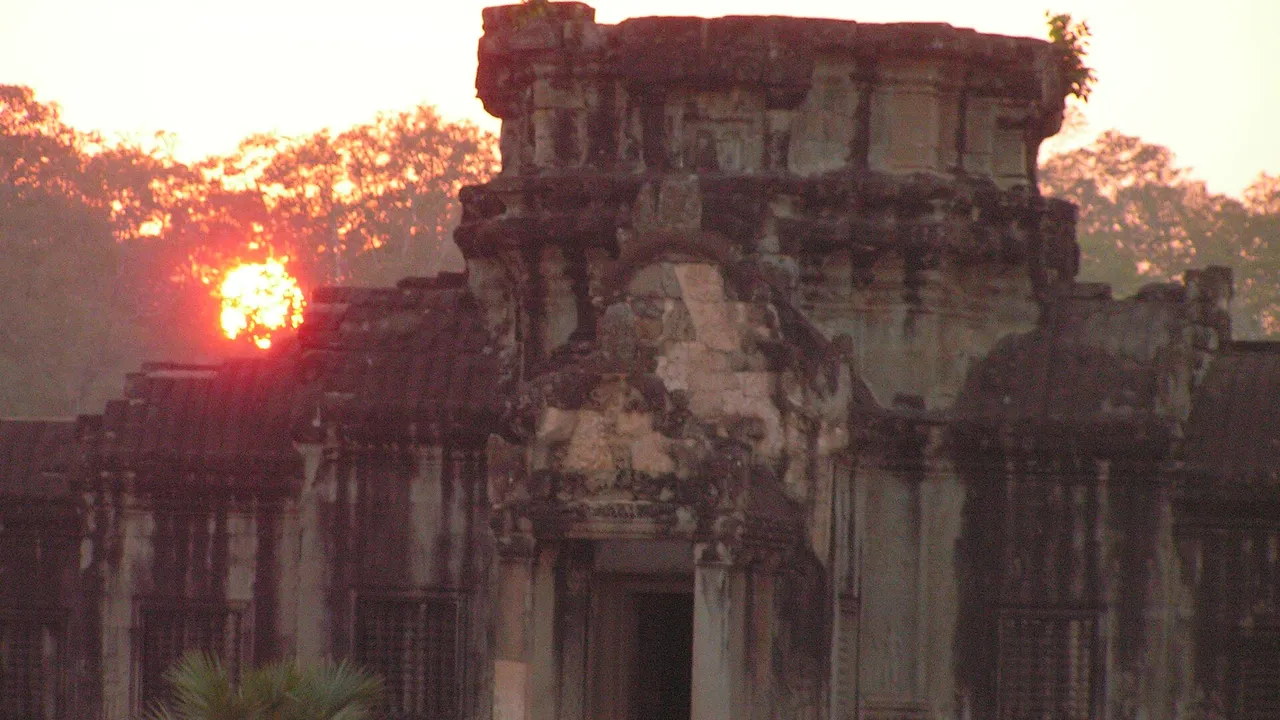
Many people begin with sunrise at Angkor Wat, then return for breakfast and continue. Others save it for the afternoon, when the light is soft and the tour buses have gone. Both work, and it is a matter of whether you prefer cool mornings or fewer crowds. See our Angkor Wat sunrise guide for timing.
Angkor Thom and the Bayon
Angkor Thom is entered through the impressive South Gate, lined with stone figures. At its centre is the Bayon, famous for its towers carved with serene smiling faces. Nearby are the Terrace of the Elephants, the Terrace of the Leper King, the Baphuon and Phimeanakas. The carvings on the Bayon are best seen in the morning light.
Chau Say Tevoda and Thommanon
These two small temples near the Victory Gate are quiet and beautifully carved. They are often skipped by groups in a hurry, which makes them a pleasant pause.
Ta Keo
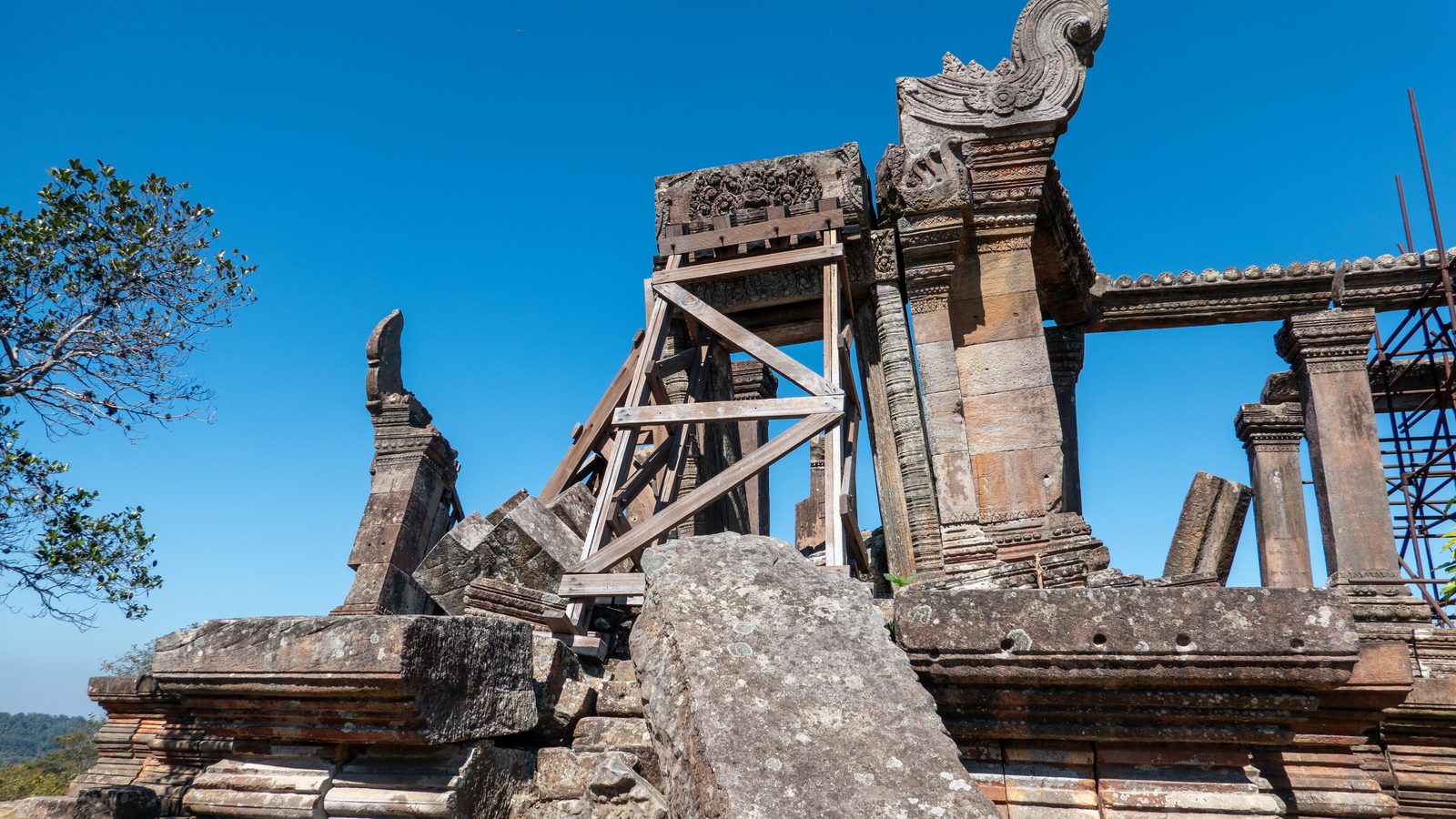
Ta Keo is an unfinished sandstone temple with a dramatic, steep pyramid. It is plain and austere, and the contrast with the carvings elsewhere is striking. Climbing is steep, so take your time.
Ta Prohm
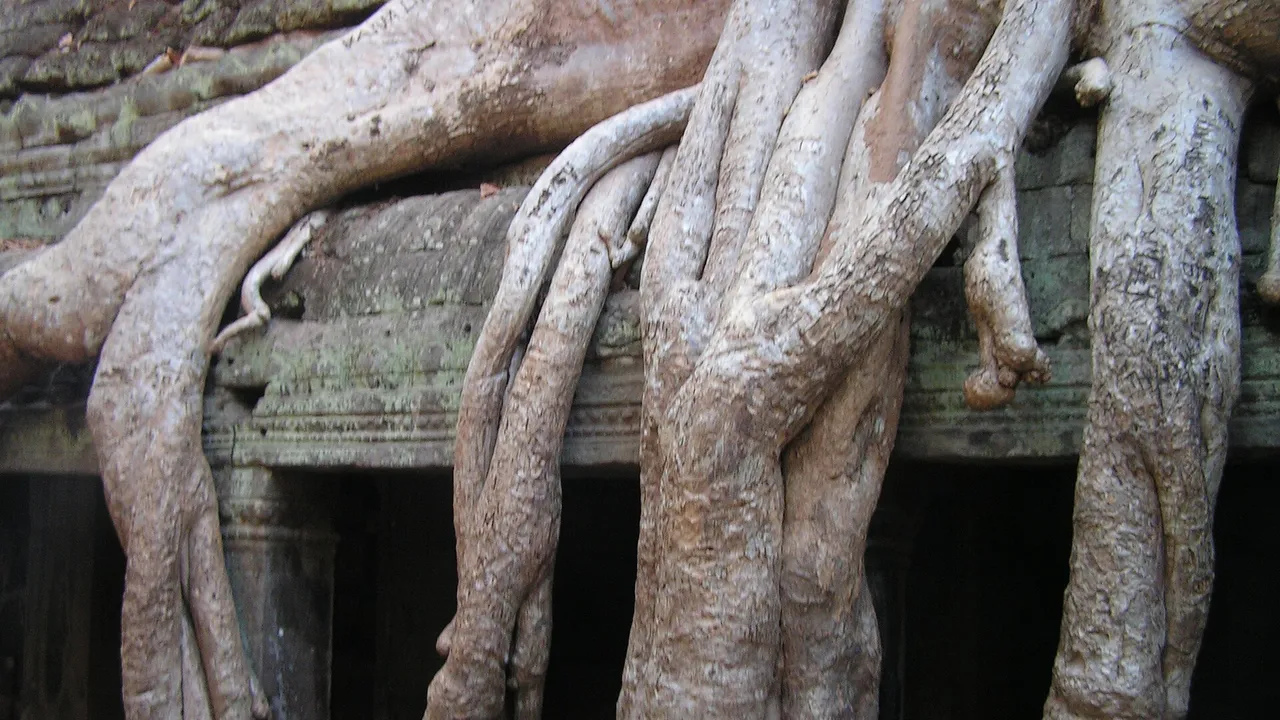
Ta Prohm is the jungle temple, where giant silk-cotton and strangler fig roots grow across the stone. It is the most photographed place after Angkor Wat, so arrive early or late to avoid the heaviest crowds. See our Ta Prohm guide for more.
Banteay Kdei and Srah Srang
Banteay Kdei is a quiet monastery temple, and across the road lies Srah Srang, a large reservoir that makes a calm place to rest. It is also a good spot for a quieter sunrise.
Phnom Bakheng for Sunset
Phnom Bakheng is a hilltop temple, officially open from 5:00 am to 7:00 pm, and a favourite for sunset. Access to the summit is limited at busy times, so go early and expect to wait. Some visitors prefer a quieter sunset elsewhere.
- Book the Angkor small circuit by tuk-tuk, with a driver and route arranged for you.
- Add context with an English-speaking guide.
- Want a longer day? See the full-day guided Angkor tour.
How Long Does It Take?
With early starts and breaks, a full small circuit takes most of a day. Many visitors do the morning from sunrise until lunch, rest at the hotel in the hottest hours and go back for the afternoon. If you are short of time, you can choose just the Bayon, Ta Prohm and Angkor Wat, and do the rest on another day with a three-day pass. A guide can plan the order so that you see the busiest temples at quieter times.
Tickets and Opening Hours
The official Angkor Enterprise website lists the Angkor park pass at 37 dollars for one day, 62 dollars for three days and 72 dollars for seven days. Entry starts at 5:00 in the morning and the listed closing time is 6:30 in the evening, though Angkor Wat itself is listed as open from 5:00 to 17:30. Only the official ticket office and website sell valid tickets, and three-day and seven-day passes need a photo. If you buy a ticket for the next day after 4:45 in the afternoon, you can enter that evening for sunset and still use the full ticket the next day.
Getting Around
- Tuk-tuk: the most popular choice, open-air, affordable and easy to stop for photographs
- Private car: air-conditioned and comfortable, a good choice for families or the hottest months
- Guide and driver: the best way to understand the carvings and avoid queues
- Bicycle: possible for fit visitors on the flatter parts of the route in cooler months, but distances are long
- Electric bike: a middle option for those who like independence
Best Time of Day and Year
The cool dry season from November to February is the most comfortable, but also the busiest. From March to May it is very hot, so start at dawn and rest from late morning. From June to October it is green and quieter, with afternoon showers. Whatever the month, a sunrise start and a midday break make the circuit far more enjoyable.
What to Wear and Bring
- Clothes that cover shoulders and knees, which are required at temples
- Comfortable shoes with grip for steep, worn steps
- A hat, sunscreen and a refillable water bottle
- Small cash in dollars for drinks and snacks
- Your pass, which is checked at many entrances
- A light rain jacket in the green season
Common Mistakes to Avoid
Trying to see everything in one day is the main mistake. Visitors rush through Angkor Thom and arrive at Angkor Wat tired and out of time. A second mistake is to skip the midday break, which is exhausting in the heat. A third is to buy tickets from a roadside seller, since only the official office and website are valid. Choose five or six temples and give each time, and the day will feel generous rather than packed.
Next Steps
If you love the small circuit, extend your stay with a three-day pass to see the grand circuit, or visit Banteay Srei and the outer temples. Browse our Angkor excursions or Cambodia tours for ideas, and add an airport transfer so your arrival is simple.
Frequently Asked Questions
Can I do the small circuit in one day?
Yes. The official FAQ says a one-day pass covers it, though you should start early and take a midday break.
Which temples are on the small circuit?
The main ones are Angkor Wat, Phnom Bakheng, the Bayon in Angkor Thom, Ta Keo, Ta Prohm, Banteay Kdei and Srah Srang, plus smaller monuments.
Do I need a guide?
Not required, but a guide adds context to the carvings and helps you avoid the busiest times.
Is the small circuit or grand circuit better?
The small circuit has the best-known temples, so first-time visitors usually start there. The grand circuit suits a second or third day.
What time should I start?
Many visitors start at 5:00 for sunrise, or around 7:30 to 8:00 for a calmer start and a longer midday rest.
Get Your Free Custom Cambodia Tour Quote Today!
Airport transfers, private drivers and local guides across Cambodia, arranged by our local team from your first night onwards.
Browse Multi-Day Tours Explore Short Excursions