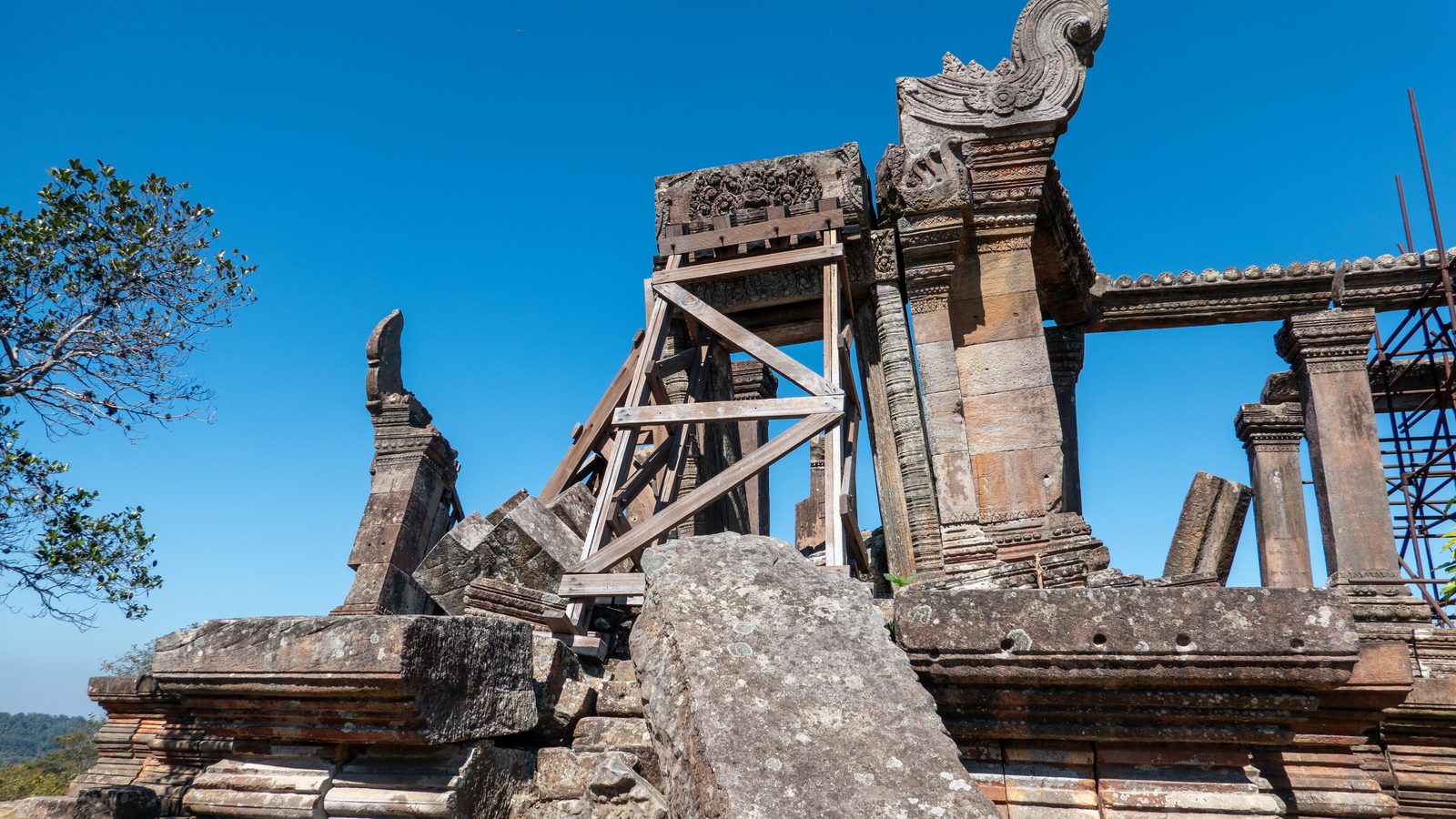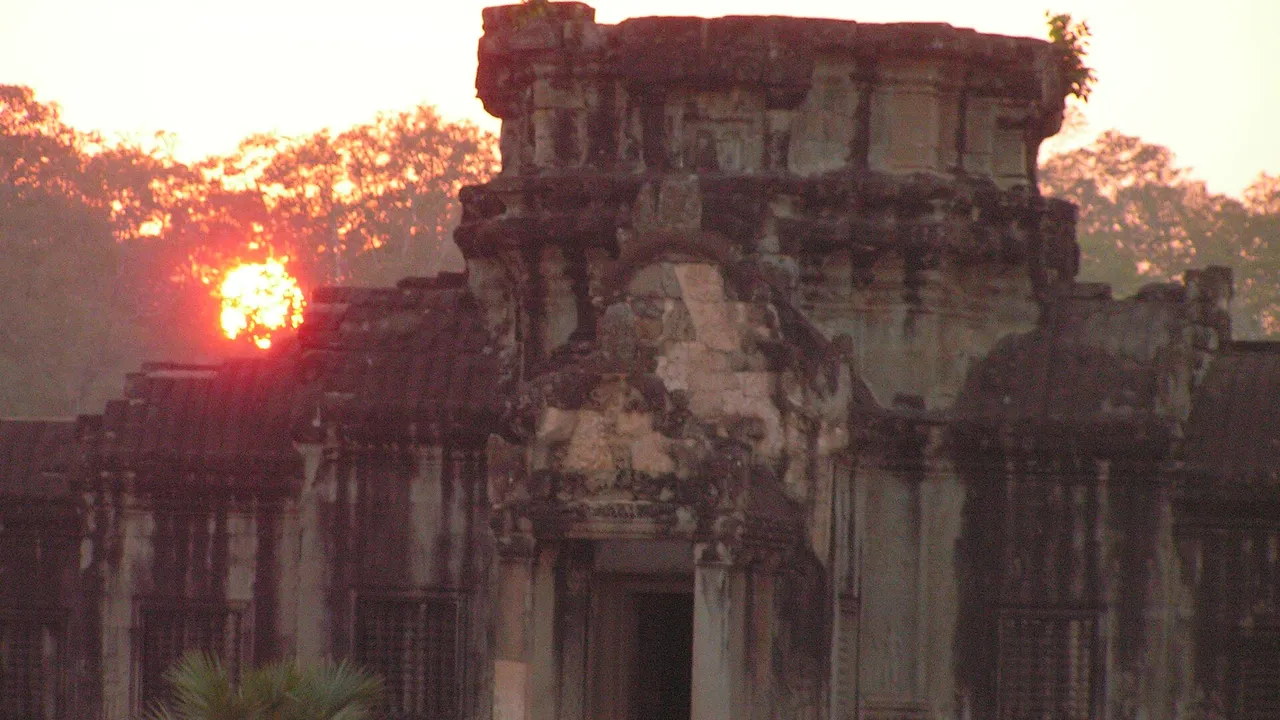
If Angkor Wat is the perfect symmetrical monument, Angkor Thom is its mysterious, slightly wilder sibling. A walled royal city a few kilometres north of Angkor Wat, it holds the Bayon, a temple crowded with enormous smiling faces that seem to follow you around the courtyard. For many visitors it is the most memorable stop of the whole trip.
This guide explains the history of the city, shows you how to approach it, and covers the main sights: the gates, the Bayon, the terraces and the lesser-known temples inside the walls. Most visitors base themselves in Siem Reap, about 20 minutes away, and combine Angkor Thom with Ta Prohm and Angkor Wat on the same day.
Angkor Thom at a Glance
The walled city was built by the great king Jayavarman VII, who also built Ta Prohm and Preah Khan, after the Khmer capital was attacked and rebuilt.
Each gate is topped with a four-faced tower, and the approach is lined with rows of stone gods and demons holding a serpent.
The central temple has dozens of towers carved with serene smiling faces, which many scholars link to the king or to a compassionate Buddhist figure.
A Short History of Angkor Thom
Angkor Thom means Great City, and it was the capital of the Khmer Empire in its last great period. Jayavarman VII rebuilt the capital after a destructive invasion by the Chams, and he chose a Mahayana Buddhist vision for the new city, in contrast to earlier Hindu kings. The city is enclosed by an outer wall roughly three kilometres on each side and a wide moat, which once protected thousands of residents. Almost all the houses were made of wood, so only the stone temples and terraces remain.
The Gates of Angkor Thom
There are five gates, one on the north, west and south sides and two on the east. Each is topped by a tower carved with four giant faces, and the causeway leading up to it is lined with stone figures: gods on one side and demons on the other, all holding a giant serpent. This scene echoes the Churning of the Sea of Milk that also appears at Angkor Wat. The south gate is the most visited and the best preserved, and it is a good place to stop for photographs, preferably before the tour buses arrive.
The Bayon
At the exact centre of the city stands the Bayon. Its upper level is a forest of towers, many carved with enormous faces looking in all four directions, and it is hard not to feel observed as you walk between them. The faces are generally thought to represent the compassionate bodhisattva Avalokiteshvara, and some scholars believe they also portray Jayavarman VII himself.
Look closely at the outer galleries too. The bas-reliefs here are very different from Angkor Wat. Instead of epic battles of gods, they show scenes from daily life: markets, cooking, fishing, cockfighting and village celebrations alongside historic battles on the Tonlé Sap lake. They are a fascinating window into twelfth-century Khmer society. The light is best in the morning, when the sun picks out the faces, though late afternoon is also pleasant and less crowded.
- Walk the city and the faces on the Angkor full day with a guide.
- Keep it relaxed with an Angkor small circuit by tuk-tuk.
- Learn the stories from a licensed English-speaking guide.
The Terrace of the Elephants and the Leper King
North of the Bayon stretches the Terrace of the Elephants, a raised platform about 350 metres long used by the king to review his troops and watch ceremonies. Its wall is carved with life-size elephants, lions and hunting scenes. Just beyond it is the Terrace of the Leper King, whose walls are decorated with layers of intricately carved figures, which can be seen especially well from the narrow passage between the double walls.
Baphuon, Phimeanakas and the Royal Palace
Behind the terraces you will find the remains of the royal palace compound. The Baphuon, a pyramid-style temple that was painstakingly dismantled and reconstructed, is closely linked to the story of Cambodian restoration work. Phimeanakas is a smaller tiered temple with a tranquil atmosphere, and the forest around it makes for a pleasant walk. These sites have far fewer visitors than the Bayon and are a good refuge when the main areas are busy.
How Long to Spend and When to Go
Plan at least two to three hours for Angkor Thom. A full tour, including the gate, the Bayon, the terraces and the Baphuon, can fill a relaxed half day. Most people visit in the morning, after sunrise at Angkor Wat, so it is a good idea to start with the Bayon at opening time and head to Ta Prohm afterwards, or reverse the order to avoid the midday crowds.
A Suggested Half-Day Route
Start at the south gate while the light is soft and the road is quiet, then drive on to the Bayon and spend an unhurried hour on the upper terrace and in the galleries. Walk north along the Terrace of the Elephants and the Terrace of the Leper King, then continue to the Baphuon and Phimeanakas for a calmer finish. Stop for a cold drink at one of the small stalls outside the gate, and keep the afternoon free for Ta Prohm or a rest at the hotel before sunset.
If you are visiting with children, keep the visit short and let them count the faces, which turns the Bayon into a treasure hunt. Older visitors can skip the steepest steps and still enjoy the lower galleries and the terraces.
Practical Tips
- Carry your Angkor pass, since it is checked at the gate
- Cover your shoulders and knees, as this is a religious site
- Wear comfortable shoes, since the steps are steep and uneven
- Bring water and sun protection, as shade is limited in the courtyards
- Use a licensed guide to understand the relief scenes
- Respect monks and worshippers at the shrines
Getting There
Angkor Thom is about eight kilometres from Siem Reap, and most people travel by tuk-tuk, car or bicycle. A private driver is the easiest way to combine it with other temples, and a guide can help you understand the reliefs. You will normally enter through the south gate. Visiting by electric bicycle is also popular for those who like to explore at their own pace, but remember that temple roads can be busy in the middle of the day.
Combine It with Other Temples
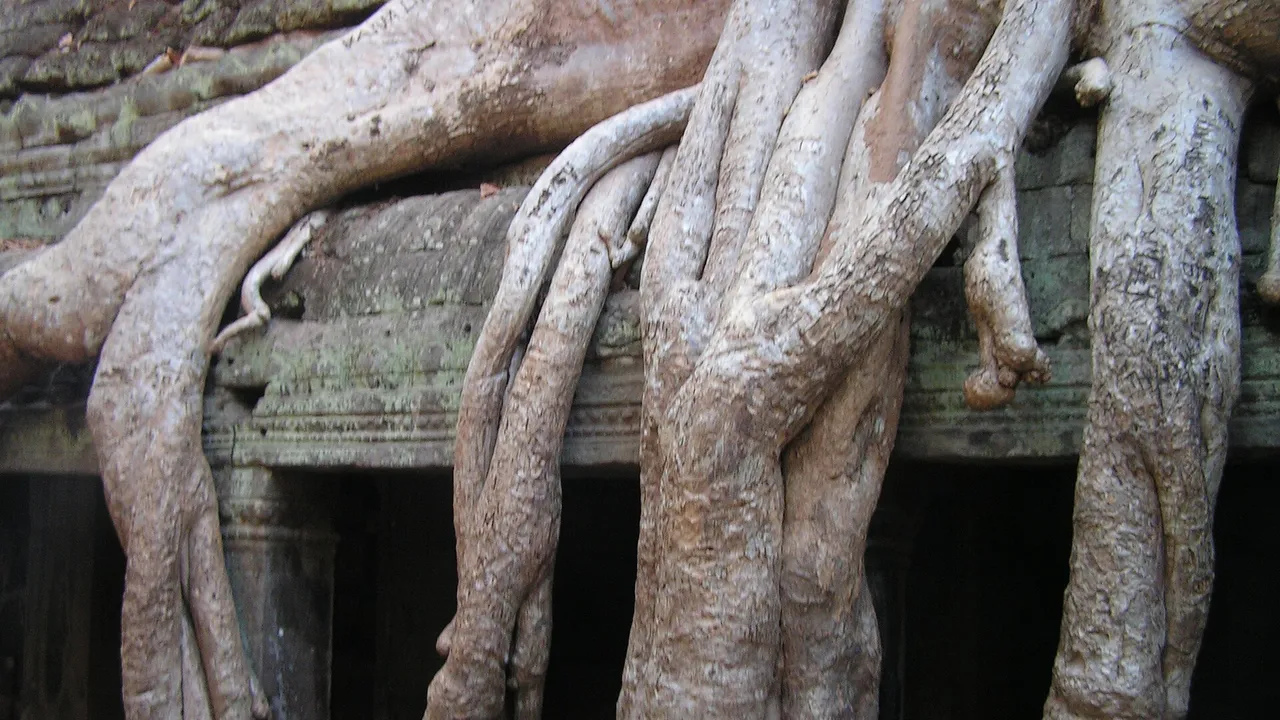
Angkor Thom pairs naturally with Ta Prohm, where giant trees grow over the ruins, and with Angkor Wat. For quieter experiences, add Banteay Kdei, Preah Khan or the pink sandstone temple of Banteay Srei. Browse our Angkor excursions or Cambodia tours to build a trip that mixes famous temples with peaceful corners.
Frequently Asked Questions
What is the difference between Angkor Thom and the Bayon?
Angkor Thom is the whole walled city. The Bayon is the temple at its centre, known for its giant stone faces.
How long does it take to visit the Bayon?
About one hour is enough for the temple itself. Plan two to three hours if you also want to see the gate and the terraces.
When is the best time to visit?
Early morning offers the best light and fewer people, and late afternoon is also quiet.
Is a separate ticket needed?
No. Angkor Thom is covered by the Angkor pass.
Is there a dress code?
Yes, shoulders and knees should be covered at all temples in the Angkor park.
Get Your Free Custom Cambodia Tour Quote Today!
Airport transfers, private drivers and local guides across Cambodia, arranged by our local team from your first night onwards.
Browse Multi-Day Tours Explore Short Excursions