If you only have a week, Cambodia still delivers. The country is small enough that two bases, the capital and Siem Reap, give you a rich first taste: royal palaces and riverside life in one, and the world’s largest religious monument and its quieter neighbours in the other. The secret is to resist the urge to add a third stop.
This plan spends two nights in Phnom Penh and four in Siem Reap, with the Angkor temples taking most of your time. It works in either direction, so if your flights suit Siem Reap first, simply reverse the order. Travel times are approximate and depend on traffic, weather and road works.
The Week at a Glance
Arrive, walk the riverside, visit the Royal Palace, the National Museum and the markets, and take time for the Tuol Sleng and Choeung Ek memorials.
Move to Siem Reap by road in about six hours with stops, or by a short domestic flight, then enjoy a relaxed evening in town.
Angkor Wat at sunrise, Angkor Thom, Ta Prohm, a quieter temple day, the Tonlé Sap floating villages and a cooking class.
Day 1: Arrive in Phnom Penh
Most international flights arrive at Techo International Airport, where you can find a pre-booked driver at the exit. Transfer to your hotel, drop your bags and head out for an easy first evening. The riverside promenade along the Tonlé Sap and Mekong rivers is lively at sunset, with locals jogging, practising aerobics and sharing snacks, and the nearby streets have plenty of restaurants for a first Khmer dinner.
If you arrive early, visit the Wat Phnom hilltop temple, the small hill that gave the city its name. It is a short, pleasant stop and a good first look at everyday Buddhist life in the capital.
Day 2: Phnom Penh Highlights
Start at the Royal Palace and Silver Pagoda when they open, because mornings are cooler and quieter. Dress modestly, with shoulders and knees covered. Afterwards walk to the National Museum, home of the finest collection of Khmer sculpture, which prepares you perfectly for the temples you will see later in the week.
After lunch you have a choice. The Tuol Sleng Genocide Museum and the Choeung Ek memorial are heavy but essential for understanding recent Cambodian history, and they are best visited with a guide and plenty of quiet time afterwards. If that is not for you, spend the afternoon at the Central Market and the Russian Market, or on a river sunset cruise. Our Tuol Sleng and Choeung Ek half-day is a respectful way to see the memorials, and the Phnom Penh city full day covers the main sights with a guide.
Day 3: Phnom Penh to Siem Reap
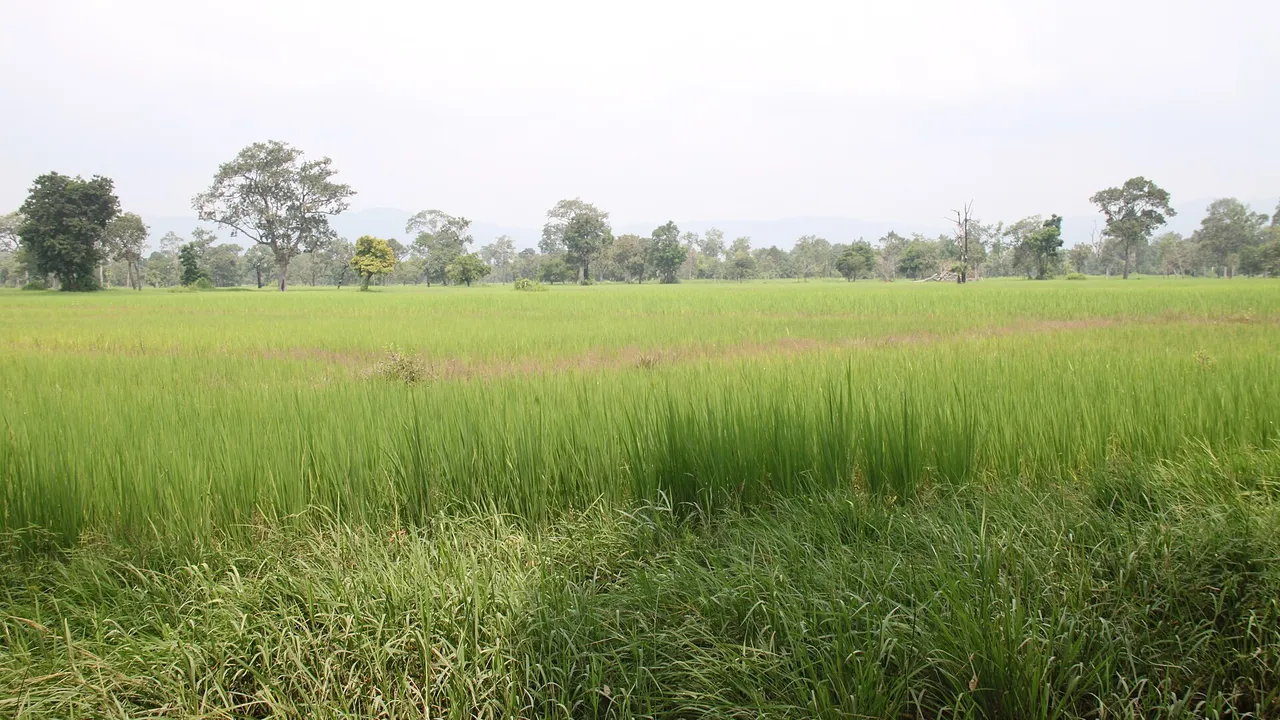
You have three sensible options. A private car or van takes about six hours including a lunch stop and gives you the most flexibility and comfort. A tourist bus costs less but is slower and runs on a fixed timetable. A short domestic flight saves hours but adds airport time, and prices vary by season.
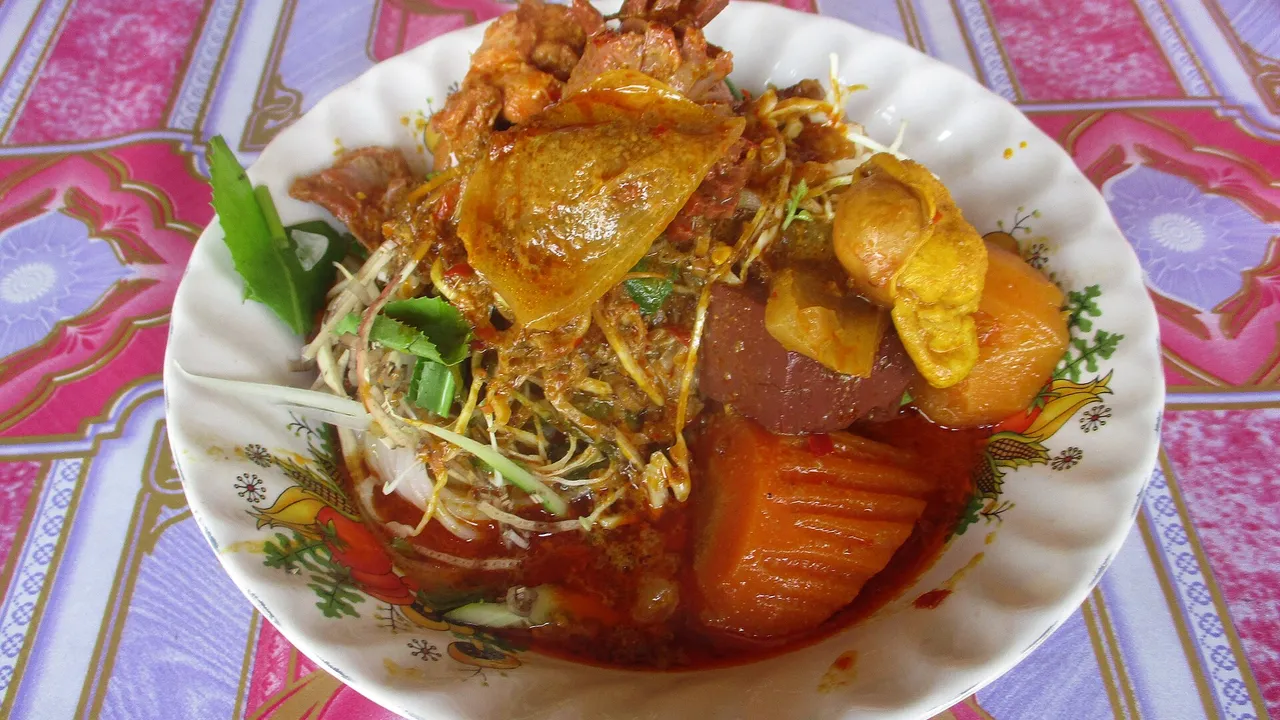
Whichever you choose, arrive in Siem Reap with the afternoon free. Check in, rest, and in the evening stroll through the Old Market area, where you can try a Khmer barbecue or fish amok. Book your sunrise driver for the next morning before you go to bed.
- Travel in comfort with a Phnom Penh to Siem Reap sedan transfer.
- A group or family? Choose the van transfer.
- See the whole route on the Classic Cambodia tour.
Day 4: Angkor Wat and the Small Circuit
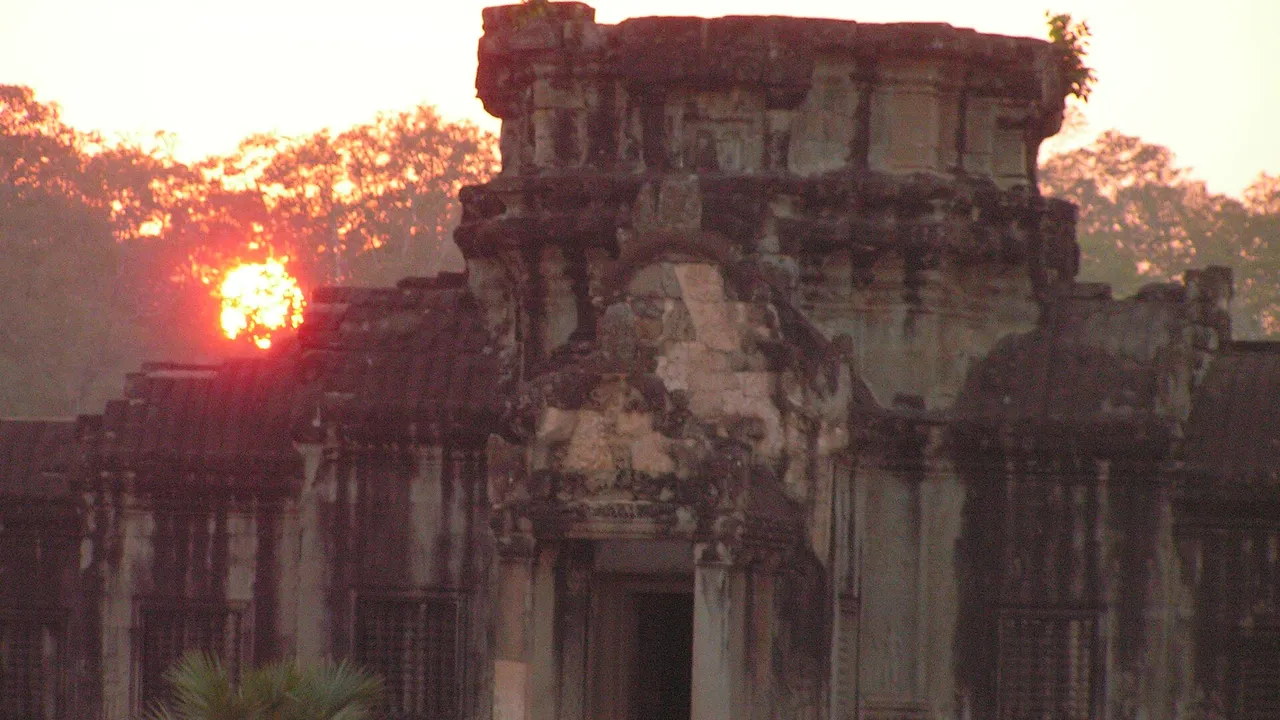
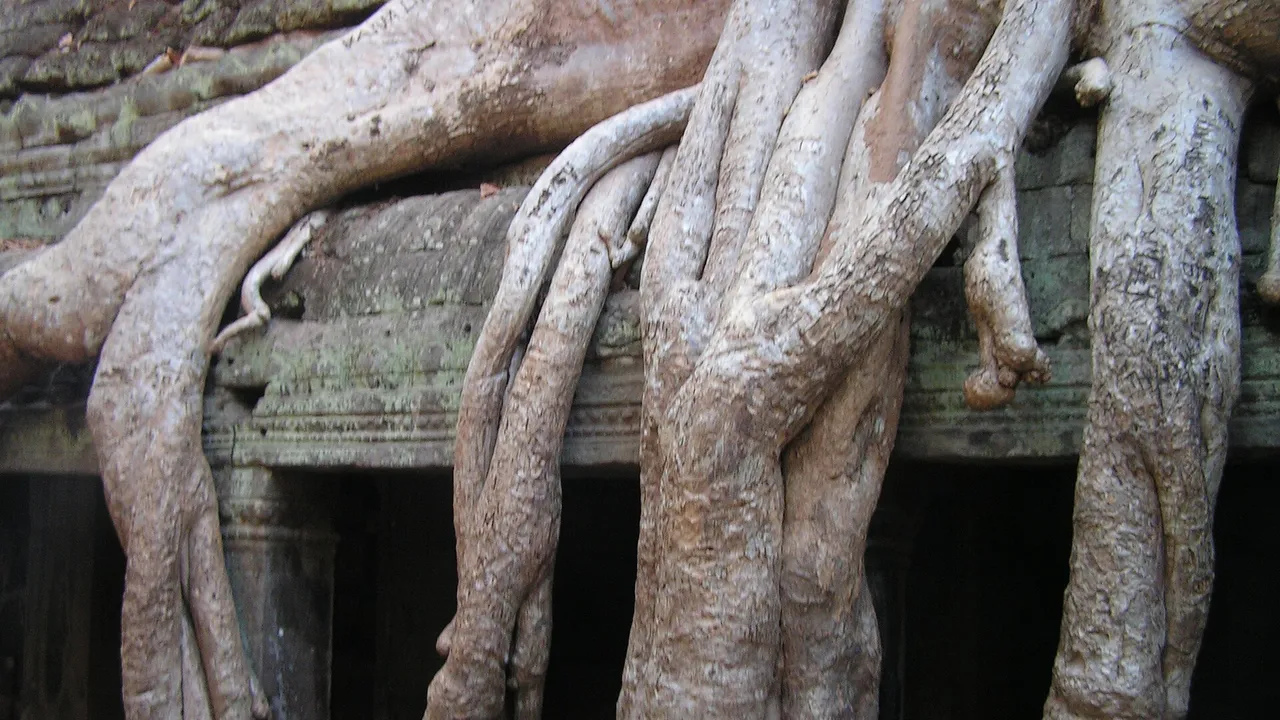
Rise early for sunrise at Angkor Wat. The temple faces west, so the sun rises behind it, and the reflection in the lotus ponds is the classic view. After sunrise, explore the galleries of bas-reliefs and climb to the upper level if it is open. Then continue the small circuit to Ta Keo and Ta Prohm, famous for its silk-cotton trees growing over the stones, and finish at Angkor Thom and the Bayon, with its many serene stone faces.
Buy your Angkor pass at the official ticket centre, not from a middleman, and carry it at all times, since it is checked at each temple. Take a break at midday, because the heat peaks between about eleven and three. A small circuit by tuk-tuk is an atmospheric way to do it, while a full day with a guide gives you much more context.
Day 5: Quieter Temples
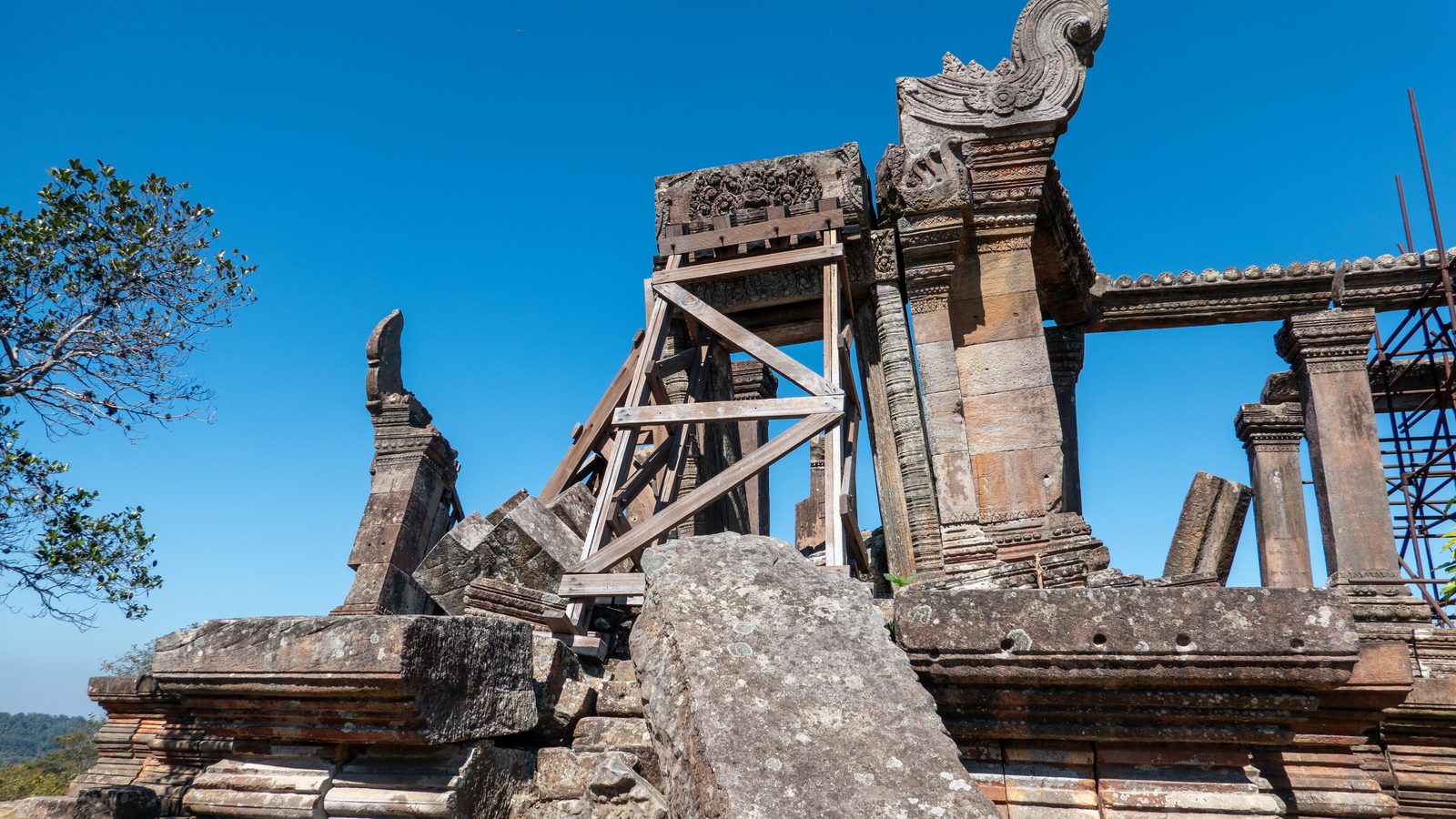
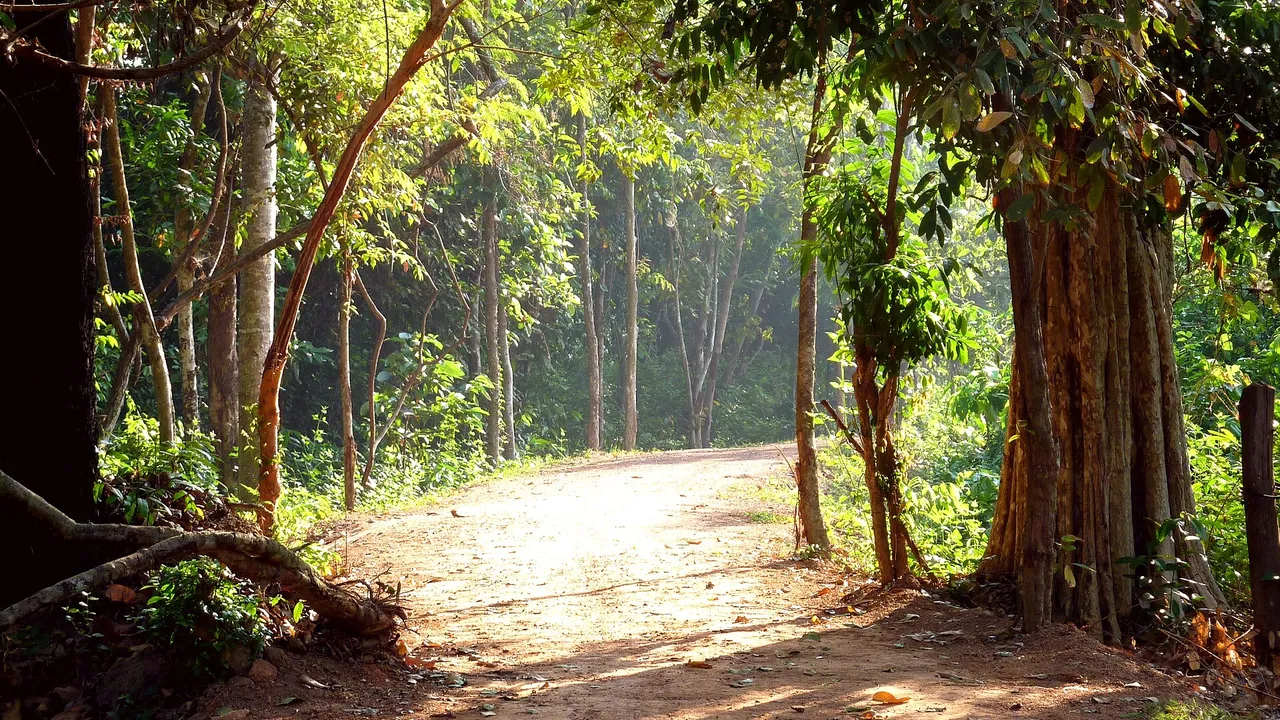
With the main sights behind you, use the second temple day for places with fewer crowds. Banteay Srei, a small temple carved in pink sandstone, is famous for the finest carving of the Angkor period, and Beng Mealea, an overgrown temple partly in ruins, feels like an adventure. Combine them with a stop at a countryside village to see palm sugar being made. The Banteay Srei and Beng Mealea day covers both in a comfortable van.
Day 6: Tonlé Sap and Local Life
Spend the morning relaxing, then visit the Tonlé Sap lake in the afternoon, when the light is soft. Floating and stilted villages such as Kampong Phluk show how people live with the changing water levels, and a boat trip through the flooded forest is memorable in the wetter months. In the evening join a Khmer cooking class or see a circus or dance performance in town. Our Kampong Phluk and Tonlé Sap trip includes a private boat.
Day 7: Departure
Keep your last morning relaxed, with a massage, souvenir shopping at the markets or a last coffee. Ask your hotel to arrange a transfer to Siem Reap Angkor International Airport, which is about 40 minutes away depending on traffic, and allow plenty of time for check-in. Our Siem Reap airport transfer can be booked in advance.
What Does a Week Cost?
Costs vary widely with your style. As a rough guide, a comfortable mid-range trip with a private driver, good hotels and the Angkor pass is moderate by international standards, while a backpacker budget can be far lower. The main fixed cost is the Angkor pass, which is priced in US dollars, so check the current price before you go. Carry small US dollar notes, since most day-to-day purchases can be paid in dollars.
Practical Tips
- Start temple days at sunrise and rest in the heat of the day
- Cover shoulders and knees at temples, and carry a light scarf
- Book Siem Reap hotels early for December and January
- Carry small US dollar notes and some riel for markets and tuk-tuks
- Drink plenty of water and use sun protection
- Respect monks, never touch them and ask before photographing people
Alternatives and Add-Ons
If you would rather skip the long road day, fly between the cities and gain half a day. With ten days, add Battambang for its bamboo train and countryside, and with two weeks add the south coast. See our Cambodia tours for full routes, or let us tailor an itinerary to your dates, interests and budget.
Frequently Asked Questions
Is one week enough for Cambodia?
It is enough for the capital and Angkor, which are the two main highlights. You will not see the south coast or the countryside, but you will have a rich first visit.
How many days should I spend at Angkor?
Two to three days is ideal. One day covers only the headline temples, while three lets you add quieter sites and rest in the middle of the day.
Should I fly or drive between Phnom Penh and Siem Reap?
Driving takes about six hours but gives scenery and flexibility. Flying is faster but adds airport time and often costs more.
What should I wear at the temples?
Cover your shoulders and knees. Light, loose cotton clothing, a hat and comfortable shoes are best.
Do I need to book in advance?
Book hotels and drivers early for December and January. The Angkor pass is bought on the spot at the official ticket centre.
Get Your Free Custom Cambodia Tour Quote Today!
Airport transfers, private drivers and local guides across Cambodia, arranged by our local team from your first night onwards.
Browse Multi-Day Tours Explore Short Excursions